Pierre Poilievre Calls for Suspension of Federal Fuel Taxes Amid Rising Gas Prices
As global conflicts, particularly in the Middle East, lead to surging oil prices, Conservative leader Pierre Poilievre is intensifying calls for the Canadian government to suspend all federal fuel taxes for the remainder of the year. This measure aims to provide immediate relief to Canadians grappling with high gas prices, which are reportedly 15% higher in Canada than in the United States, according to Poilievre.
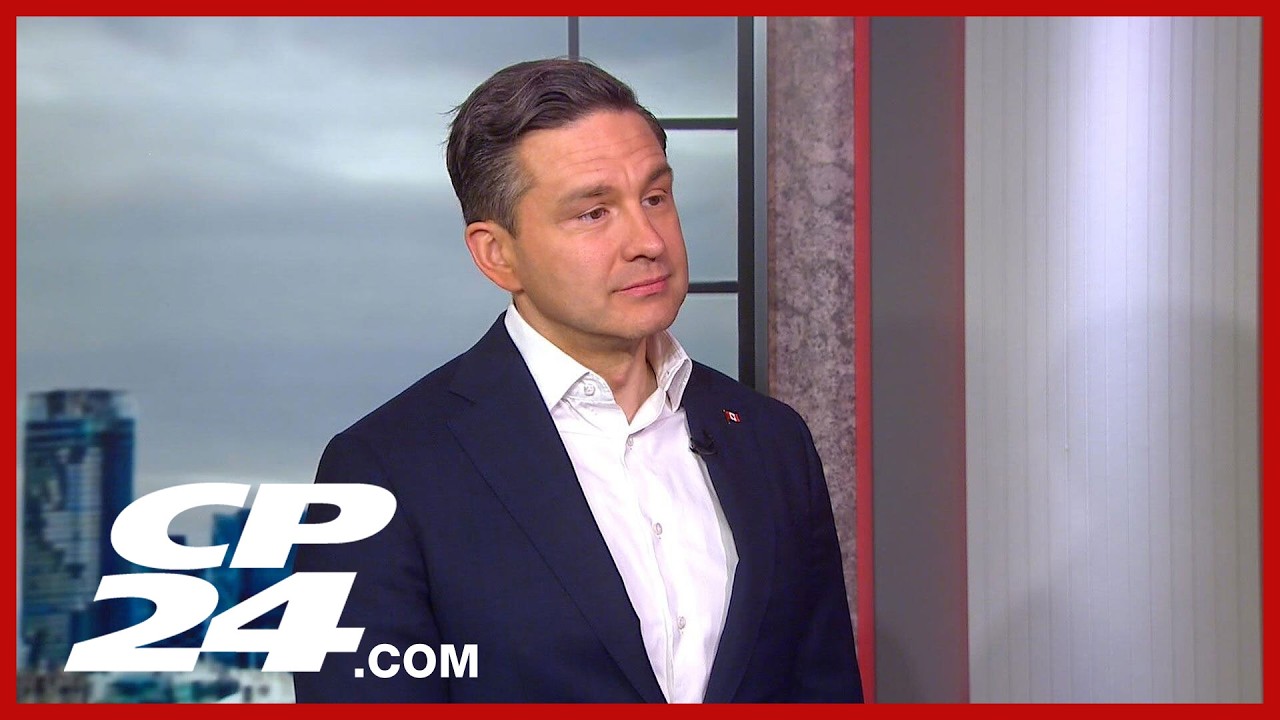
During a recent interview, Poilievre highlighted the excessive taxation levied by the current Liberal government. He pointed out that Canadians are currently subjected to three federal fuel taxes: a 10-cent excise tax, a newly implemented carbon tax, and the Goods and Services Tax (GST)—which is applied on both fuel and existing taxes, effectively amounting to a tax on a tax.
The Liberal government, under pressure from the Conservative Party, agreed to temporarily suspend just one of these taxes. Poilievre asserts that a wholesale suspension of all three taxes would significantly alleviate the financial strain on Canadians, potentially saving them around 25 cents per liter of gas. Furthermore, he argues that the lack of taxation on fuel would have wider economic benefits, reducing food prices by lowering transportation costs for farmers and truckers.
When questioned about ensuring that these savings are passed on to consumers, Poilievre expressed confidence in market dynamics. He cited examples from provinces that have provided gas tax relief, which saw immediate reductions at the pump due to competitive pressures among gas stations. He also signaled a commitment to combat price gouging by advocating for a more robust action plan from the Competition Bureau, as he indicated that much of the present gouging originates from the government’s own high taxation policies.
Notably, Poilievre also addressed the excise tax on aviation fuel, suggesting an overall elimination of all fuel taxes. He criticized the Liberal government’s new carbon tax, branded as the "clean fuel standard," terming it a deceptive rebranding that does little to address high living costs.
Turning his focus to Ontario, particularly the Greater Toronto Area (GTHA), Poilievre offered stark criticism of the Liberal party’s governance over the past decade. He noted continued adverse effects such as rising crime rates, escalating living costs, and pervasive corruption under a liberal regime. According to him, these issues have left many young people unable to afford homes, with one in ten resorting to food banks.
Poilievre’s vision for the region is premised on a return to fiscal prudence, arguing that excessive government spending and high taxes have rendered life increasingly miserable for residents. He positions the Conservative approach as a solution, advocating for reduced government waste, tax relief, and measures to ensure public safety through stricter laws on crime.
Moreover, he tackled inquiries about perceptions of his leadership relating to previous electoral performance, asserting that claims of a fumbled election are distorted liberal narratives. He emphasized that the Conservative Party garnered an unprecedented number of votes, asserting that this demonstrates a significant desire for change among Canadian voters.
Acknowledging the grievances of students protesting against the provincial government, Poilievre empathized with their frustrations regarding high debt levels exacerbated by liberal policies. He reiterated that Conservatives prioritize creating economic opportunities, aiming to empower youth to live debt-free and fulfill their homeownership dreams.
Regarding the contentious relationship with the United States, particularly concerning tariffs, Poilievre called for leveraging Canada’s strategic resources. He argued that the U.S. must recognize Canada’s value, particularly in oil and minerals, and work towards tariff-free trade to foster healthier economic relations.
In conclusion, Pierre Poilievre represents a resolute push for economic reform, focusing on relieving financial burdens through tax reductions and fiscal responsibility. He meticulously draws a connection between affordability and sustainable governance, asserting that only through Conservative policies can Canadians hope to restore balance in their economic lives and communities.