Rising Costs: The Ripple Effect of Jet Fuel Prices on Airlines and Consumers
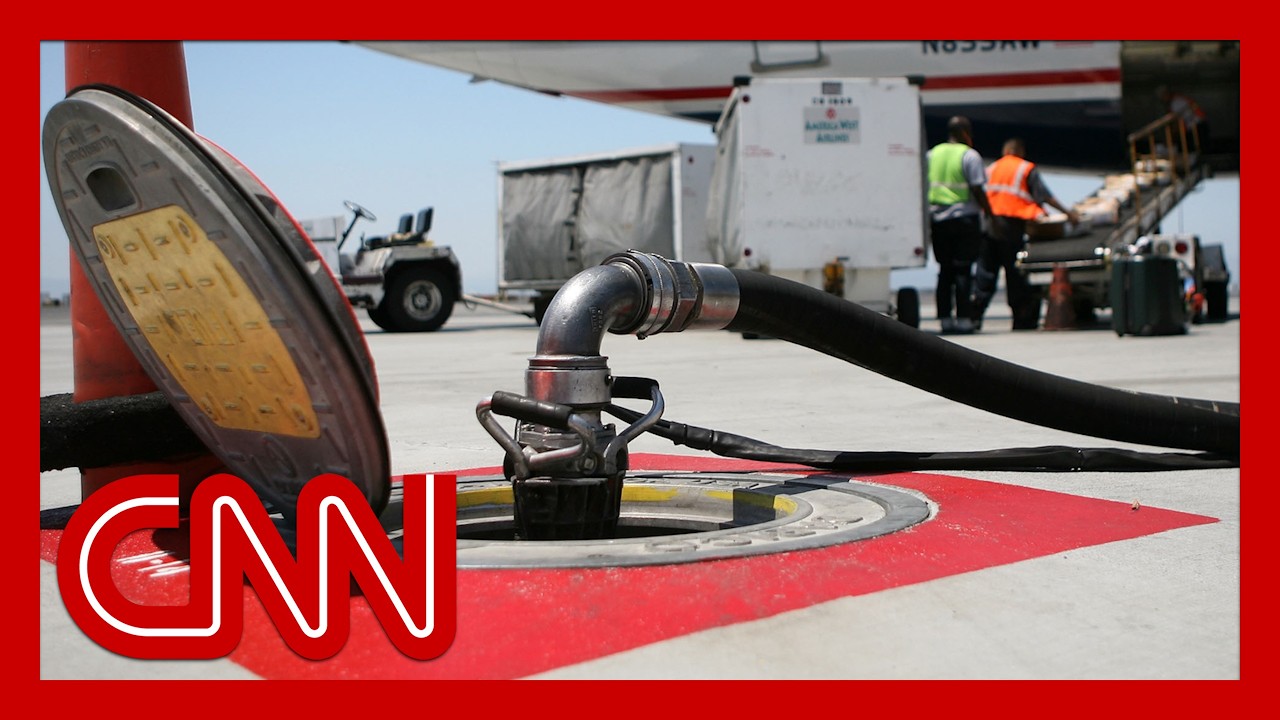
As gas prices continue to climb across the nation, the aviation industry is not immune to the financial fallout. Delta Air Lines has sounded the alarm, revealing that jet fuel prices have increased markedly since the onset of heightened tensions in Iran. The airline’s CEO, Ed Bastian, indicated that the cost of jet fuel has nearly doubled just within the first quarter of the year, resulting in a staggering $400 million impact on the company.
Despite this significant financial strain, demand for air travel remains robust. In response to the rising costs, Delta has already implemented fare increases over the past two weeks. This trend is expected to persist, particularly among both regional and discount airlines. Customers are advised to expect ticket prices to keep rising as airlines navigate the dual pressures of elevated fuel costs and strong travel demand.
The issues surrounding fuel costs are far-reaching. While Delta’s brand appeal may cushion it temporarily, other airlines may struggle sooner rather than later. The stark reality is that whenever one sector experiences a surge in operational costs, consumers ultimately bear the brunt of these increases. This principle extends beyond air travel to virtually all sectors dependent on fuel—most notably shipping and food supply.
Recent developments surrounding the Strait of Hormuz, a vital maritime passageway responsible for transporting about 20% of the world’s oil, have created added uncertainty. The pressures on various supply chains are compounded further by rising costs for other essential products. The disruption isn’t limited to aviation; it extends to goods like food staples, fertilizers, and even helium. Consequently, consumers can anticipate higher prices not only at the gas pump but also at grocery stores and in construction projects, where transportation costs directly affect pricing.
Patrick Dhan, head of petroleum analysis at Gas Buddy, underscored the broader ramifications on consumer pricing. The recent surge in diesel prices—a dollar a gallon higher than just a month ago—exemplifies this "hidden tax" on consumers. The rising cost of living will soon feel the effects of increased fuel prices, manifesting in everything from groceries to housing projects.
Given the reliance of the airline industry on jet fuel, which constitutes approximately 25% of operational expenses, the spikes in fuel costs are significant. If this trend continues, travelers can expect fare increases that could diminish affordability across various routes, particularly long-haul flights that require copious amounts of fuel.
Currently, domestic airfares remain lower than they have been in years. Recent comparisons reveal that air travel has decreased in cost by 3% since 2019, against a backdrop where other consumer prices have surged an average of 30%. However, this scenario could change quickly if tensions persist past impending deadlines. The fallout from continued disruptions may push prices higher, impacting consumers’ travel budgets and overall financial circumstances throughout the summer and into the fall.
With airlines like Delta already raising fares, those considering international travel should brace for potential increases—some as high as 21%. Unlike many European counterparts, which often utilize fuel hedging to mitigate price volatility, U.S. airlines typically purchase fuel at current market rates, exposing them to the full brunt of price surges. Therefore, the trajectory of these increases is alarming, indicating that consumers may have to recalibrate plans and budgets accordingly.
The geopolitical landscape remains tumultuous, and as tensions in Iran continue to escalate, the ramifications on global oil markets will likely endure. Any disruption in the Strait of Hormuz could lead not only to higher prices at the pump but also a refining ripple effect through various sectors—airline travel included. As the discussions around securing safe passage intensify, the industry is keenly aware that a prolonged crisis could wind up severely impacting economic stability.
In summary, rising fuel prices pose a profound threat—not only to airlines but also to consumers everywhere. The next few months will be crucial in determining whether these price increases are temporary blips on the radar or the onset of a more substantial, long-term inflationary period. The intricacies of global supply chains mean that every increase has the potential of leading to broader economic ramifications, forcing consumers to anticipate and adapt to a shifting financial landscape.