Investigative Developments Following Police Shooting in Oshawa
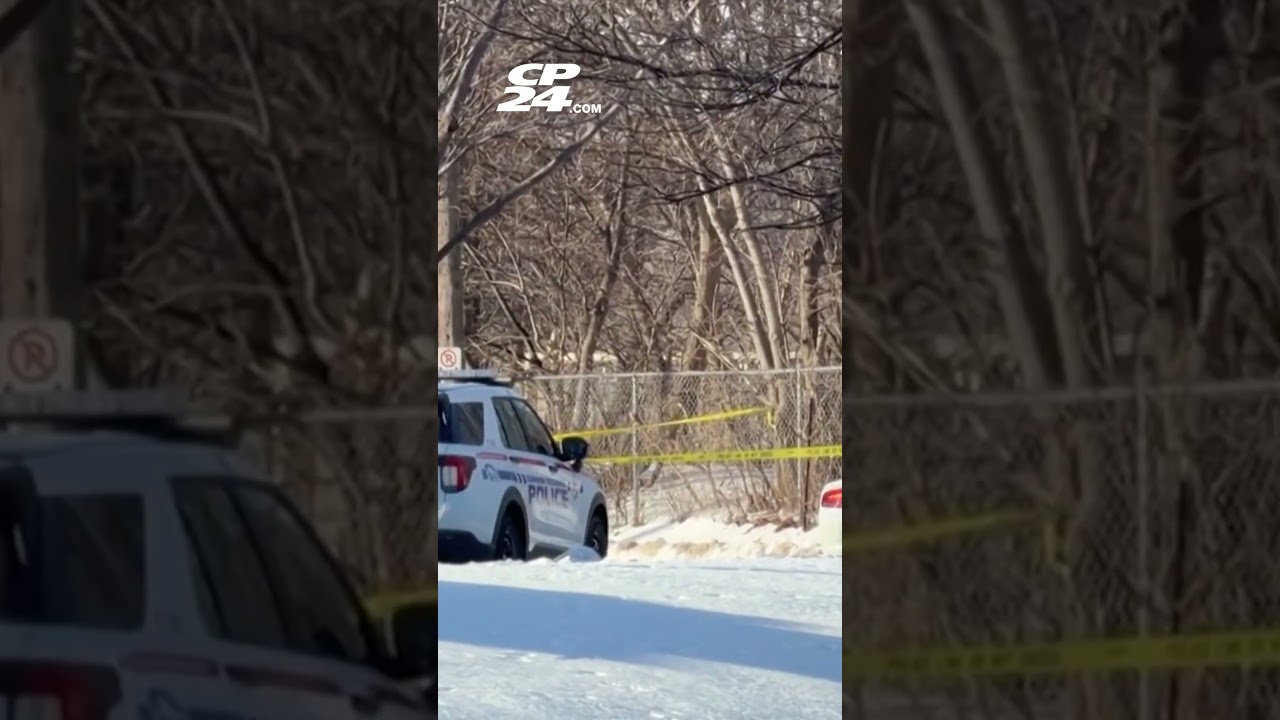
The Special Investigations Unit (SIU) has initiated an inquiry following a shooting incident involving a police officer in Oshawa. The event, which has raised significant concern within the community, unfolded on Cedar Street, located just west of Simcoe Street, during a mental health intervention.
At around 11:00 a.m. yesterday, officers were dispatched to the scene after receiving calls regarding a 27-year-old man exhibiting troubling behavior. The intent was to support the individual, possibly in distress. Upon arrival, however, the situation escalated. The man, armed with a knife, confronted the officers present, prompting a critical interaction.
Details of the incident indicate that one officer discharged their firearm multiple times. In the ensuing chaos, both the suspect and an officer were injured. The police officer sustained significant injuries and was transported to the hospital, where he is currently in critical, yet stable condition. There is cautious optimism regarding his recovery. Meanwhile, the suspect, though also seriously injured, is reported to be in non-life-threatening condition.
Such incidents highlight the challenges law enforcement face when responding to mental health crises. Officers are often required to balance the imperative of ensuring public safety while also trying to de-escalate volatile situations. The intent is not only to safeguard the community but also to provide assistance to those who may be struggling.
The community’s reaction has been one of disbelief and concern. Mental health issues remain a complex problem, one that requires nuanced understanding and response. This incident underlines the urgent need for training and resources dedicated to mental health crisis intervention within police forces.
As the SIU investigates, questions remain regarding the police protocols followed during this particular encounter. Many community members are eager to understand whether adequate measures were in place to manage the situation without resorting to lethal force. Additionally, it raises broader questions about the involvement of mental health professionals in similar calls—should they be called to assist when police respond to potential crises involving individuals in distress?
The investigation is expected to focus on various aspects of the incident, including the police officers’ response during the encounter and the actions taken to ensure safety for both the individual in crisis and the officers involved. Transparency in these investigations is vital for rebuilding trust between law enforcement and the communities they serve.
Moreover, the incident has sparked discussions around policing and the critical intersection of mental health and public safety. Advocacy groups are calling for more comprehensive training programs for law enforcement officers that emphasize communication techniques and alternative strategies for de-escalation. The need to rethink responses to mental health crises has never been more apparent, urging a reevaluation of existing practices.
As the investigation continues, many are hoping for clarity on what led to such a costly outcome. Optimism remains that the recovering officer will ultimately regain full health, while the community and police services reflect on how such interactions can be handled differently in the future.
In summary, the shooting incident in Oshawa serves as a stark reminder of the complexities involved in policing mental health emergencies. It calls for ongoing discussions about the integration of mental health resources into law enforcement practices. The aim should be a comprehensive approach that prioritizes the well-being of individuals in crisis and the safety of our communities. As the SIU completes its investigation, the focus will remain on understanding the events that transpired and finding ways to prevent similar situations in the future.