As the conflict involving the U.S. and Israel stretches toward the 60-day mark, Iran’s posture is hardening. The rhetoric from Tehran reveals a country feeling cornered but defiant. Ayatollah Ali Khamenei, Iran’s Supreme Leader, has not made a public appearance in seven weeks, raising questions about the stability and decision-making processes within Iran’s leadership. Amid rising tensions, Iranian officials are issuing stark warnings against U.S. military actions, with threats of “long and painful strikes” if provoked further.
Economic conditions in Iran are dire, with inflation spiraling around 70%. The disconnect between the regime’s public proclamations and its economic realities is stark. While state media boast about Iran’s fortitude, citizens are grappling with severe financial hardships. Protests had erupted earlier this year, reflecting widespread dissatisfaction due to rampant inflation and perceived governmental inefficacy. The current conflict exacerbates these vulnerabilities, leaving many to speculate whether Khamenei’s threshold for pain may exceed that of previous leaders.
Karim Sadjadpour, a prominent global affairs analyst, underscored the significance of Khamenei’s absence from the public sphere. Historically, his regime’s strength has been communicated through assertive rhetoric; however, the lack of visibility raises concerns about his health and decision-making capacity. Sadjadpour highlighted that Iran’s leadership has transitioned from a clerical to a military dictatorship, with the Revolutionary Guard now holding substantial power. Such power dynamics complicate traditional narratives about governance and authority in Iran.
The U.S. faces a complex web of challenges when it comes to military and negotiation strategies. President Trump is reportedly considering military options, yet there is an understanding that a direct assault may not yield the desired results. As tensions rise, President Trump’s dilemma is whether to exert further pressure—which may escalate the conflict—or seek a diplomatic route that would facilitate negotiations. The metaphor of two adversaries with their hands around each other’s throats captures the essence of this volatile standoff.
The Iranian regime has been utilizing the Strait of Hormuz as a focal point in its tactical approach, potentially weaponizing the vital shipping lane to exert economic pressure not just on the U.S., but globally. By controlling access to this thoroughfare, which is responsible for a significant percentage of the world’s oil supply, Iran believes it can wield substantial influence. The ongoing conflict results in a cycle of retaliatory tactics aimed at both economic destabilization and military posturing.
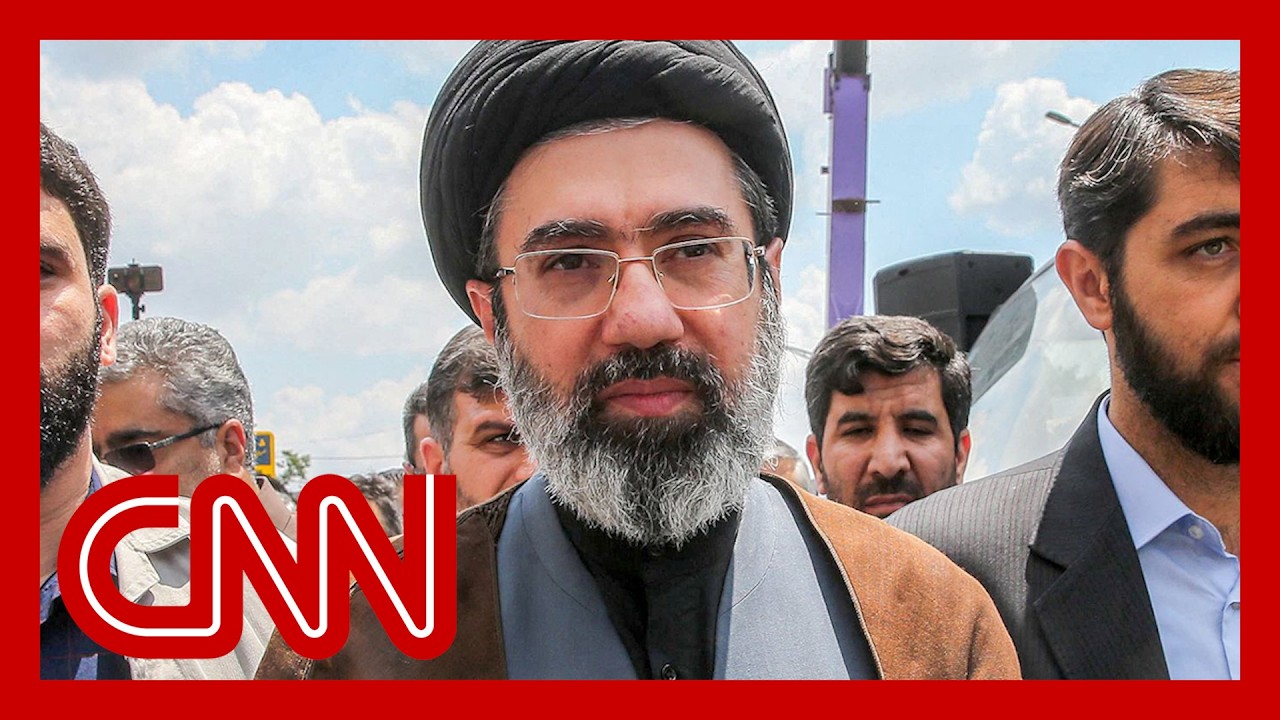
Recently, the newly installed Supreme Leader, Mostafa Harmid, asserted that foreign presence in the region is unwelcome, framing Iran’s actions as a defense of its sovereignty. His statements signal an intention to reclaim control over economic resources and assert regional dominance. This rhetoric underscores a belief that Iran has leverage in its confrontation with the U.S. Moreover, Harmid’s declarations suggest that the regime sees its resilience as integral to a new order, one that aligns with a narrative of historical resistance and defiance.
The implications of these developments extend beyond regional borders. As both the U.S. and Iran continue to apply pressure on each other, the risk of miscalculation looms large. The Iranian leadership’s celebration of National Persian Gulf Day, characterized by a historical context that links ancient resistance to modern adversaries, reflects a broader strategy aimed at galvanizing domestic support amid external challenges.
In conclusion, the ongoing conflict represents a convoluted confrontation where economic suffering ties into national identity and pride. As both sides further entrench their positions, the path forward remains uncertain. The international community watches closely, aware that decisions made in the coming weeks may define not only the future of U.S.-Iran relations but also the broader geopolitical landscape. The stakes are high, and the consequences of inaction or miscalculation could reverberate well beyond the Strait of Hormuz.