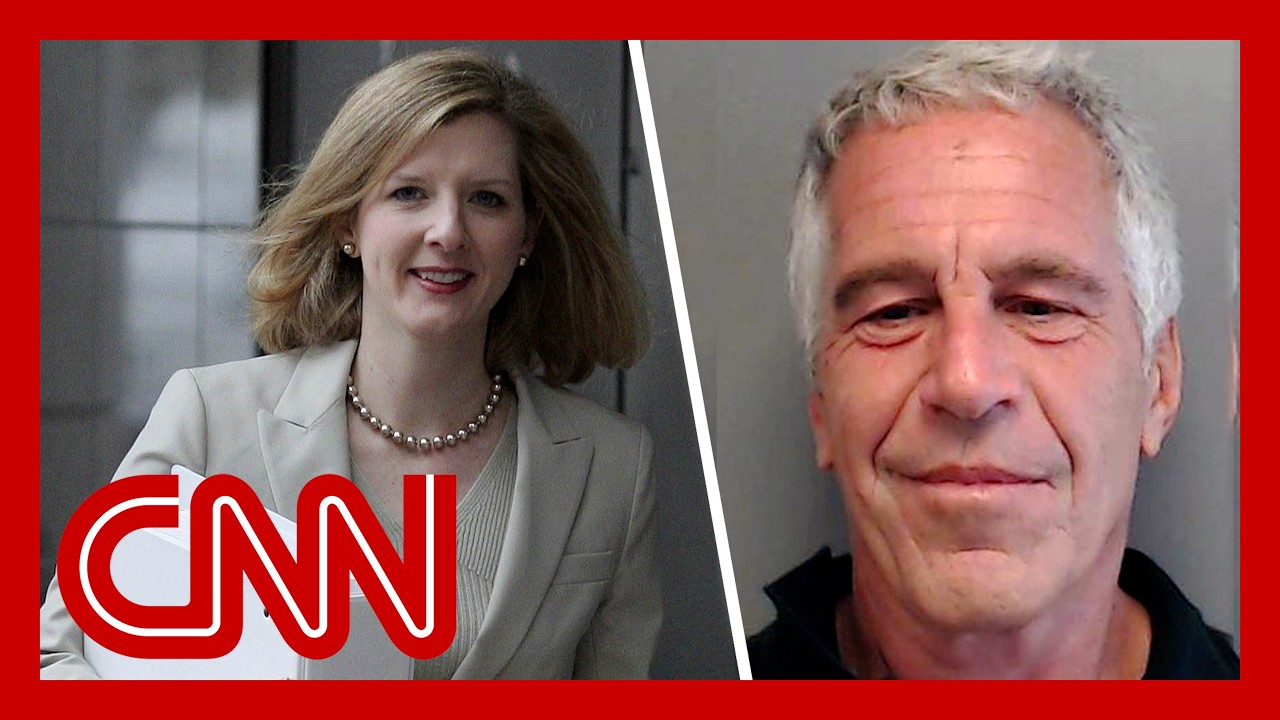
Fallout from Jeffrey Epstein Files: Kathy Ruemmler’s Resignation at Goldman Sachs
The shadows cast by the Jeffrey Epstein scandal have now extended to one of the world’s largest investment banks: Goldman Sachs. Kathy Ruemmler, the bank’s chief legal officer, has announced her resignation following intense scrutiny of her relationship with Epstein. As a former White House counsel to President Obama, Ruemmler’s departure signifies a notable intersection of finance, law, and scandal.
In the aftermath of Epstein’s infamous criminal activities, Ruemmler has faced considerable media attention. Critics question her past relationships with Epstein—characterized by a series of email exchanges that blurred the lines between professional obligation and personal camaraderie. While Ruemmler has consistently maintained that her connection with Epstein was strictly professional, the revelations from the K-file report raise troubling concerns about her judgment and associations.
According to Ruemmler’s spokesperson, she did nothing wrong and has nothing to hide. The spokesperson emphasized that Ruemmler’s relationship with Epstein was strictly professional, involving shared clients and referrals as part of her role as a criminal defense attorney. Yet, as more details emerge, this narrative faces increased scrutiny. A review of hundreds of emails reveals not only discussions regarding Epstein’s legal troubles but also more personal exchanges, suggesting a blurred boundary between personal and professional interactions.
Among these communications are exchanges where Ruemmler appears to express a degree of affection. In some instances, she even signed off her messages with "XO" or "XOXO." On one occasion, she wished Epstein well on his 62nd birthday, a gesture met with a lewd response from him. While Ruemmler’s representatives argue that she was merely maintaining a professional rapport, the nature of these exchanges raises questions about her discretion.
The fallout from these revelations emphasizes the broader implications of power dynamics at play. As noted by Gretchen Carlson, co-founder of the nonprofit Lift Our Voices, these situations illuminate how power can insulate individuals from accountability, regardless of gender or political affiliation. Carlson argues that the consequences of the Epstein files are not solely about legality; they also profoundly touch on ethical judgment and professional responsibility.
Ruemmler’s dismissal marks a distinct moment in the ongoing fallout from Epstein’s expansive criminal network. This incident acts as a bellwether for the kinds of accountability expected in high-profile roles. For Goldman Sachs, Ruemmler’s resignation comes at a crucial time, as the bank navigates trust issues in the wake of a high-profile scandal involving one of its executives.
The text of Ruemmler’s emails also reveals her involvement in advising Epstein on his legal challenges. In one exchange, she explicitly stated that a particular lawsuit was "about money," thereby casting doubt on her commitment to addressing the serious allegations against him. Some critics interpret her comments as undermining the gravity of Epstein’s actions, raising further questions about her integrity.
Moreover, the correspondence indicates discussions about potential visits to Epstein’s private Caribbean island, adding to the complexity of her relationship with him. Despite claims that she never traveled to the island, her willingness to engage in such conversations certainly raises eyebrows, prompting inquiries about her ability to navigate ethically charged environments.
As the dust settles from Ruemmler’s resignation, it remains to be seen how Goldman Sachs will adapt and respond to the fallout. The bank is not only tasked with restoring its reputation but also with addressing growing concerns about its leadership decisions.
The Epstein scandal, while focused on the actions of one man, exposes deeper systemic failures across various sectors. As the public continues to digest the implications of these findings, the call for accountability grows louder. The implications of Ruemmler’s resignation extend far beyond one individual; they call into question the cultures of silence and complicity that have historically shielded powerful figures from scrutiny.
In conclusion, Kathy Ruemmler’s resignation is emblematic of a shifting landscape where accountability is increasingly demanded, irrespective of status. As inquiries into Epstein’s network continue, the business world watches closely—aware that the ramifications of this scandal reach into the very foundations of power and responsibility.