The Evolution of Russell Brand: From Controversial Comedian to Christian Influencer
Russell Brand has navigated a tumultuous journey through the public eye, exhibiting numerous transformations along the way. Whether he’s known for boundary-pushing comedy or candid discussions on spirituality, Brand’s ability to reinvent himself remains striking. Now, at the crossroads of allegations and aspirations, his latest incarnation as a Christian influencer raises questions about sincerity and redemption.
A Comedic Precipice
Brand’s journey began as a provocative comedian, first making a name for himself at the Edinburgh Fringe Festival in the early 2000s. His rise was meteoric, transitioning from stand-up gigs to hosting for MTV. A pivotal moment came when he dressed as Osama bin Laden shortly after the September 11 attacks, resulting in his firing. This early scandal highlighted Brand’s penchant for shock value, a theme that would recur throughout his career.
His notoriety grew further with his stint on BBC Radio 2, where he famously prank-called actor Andrew Sachs. The resulting backlash, which led to tens of thousands of complaints, left Brand temporarily sidelined. Yet, rather than damaging his career, this controversy arguably bolstered his fame, demonstrating the age-old adage that there is no such thing as bad publicity.
Hollywood and Highs
In Hollywood, Brand continued to evolve. His marriage to pop sensation Katy Perry thrust him into the American cultural spotlight, introducing him to a new audience. However, his personal life, marked by addiction and tumult, became increasingly public. With roles in feature films like Forgetting Sarah Marshall, Brand embodied the ethos of a "rock-star persona" while wrestling with significant personal demons.
The split from Perry, which he orchestrated via text just before one of her performances, painted a complex picture of a man searching for stability amid chaos. As Brand traversed his highs and lows, his candidness about his struggles drew both admiration and scrutiny.
A Political Awakening
By 2013, Brand had morphed into a political figure. His infamous BBC interview with Jeremy Paxman showcased his disdain for the political system, declaring he had never voted and didn’t believe in its value. While this perspective resonated with many disillusioned citizens, it also alienated others. Critics labeled him a champion of anti-establishment rhetoric, particularly given his history and background.
Brand positioned himself as a voice for the marginalized, and his charisma captivated a generation yearning for honesty in a politically jaded society. However, shifts in public perception would prove inevitable.
A Turn to Controversy
As the COVID-19 pandemic unfolded, Brand positioned himself against mainstream narratives, questioning vaccine efficacy and government lockdowns. He faced backlash over his skepticism, with YouTube even removing some of his content for medical misinformation. In this new landscape, he began gravitating toward alternative platforms like Rumble, gaining a sizeable following among audiences seeking uncensored content.
This evolving persona merges with new allegations against him, marked by a recent investigative report detailing serious charges of sexual assault—a subject he has publicly denied. His trial looms, and yet Brand continues to thrive in publicity, entrenched now in a world where many see him as either a victim of “cancel culture” or a master of reinvention.
Embracing Faith
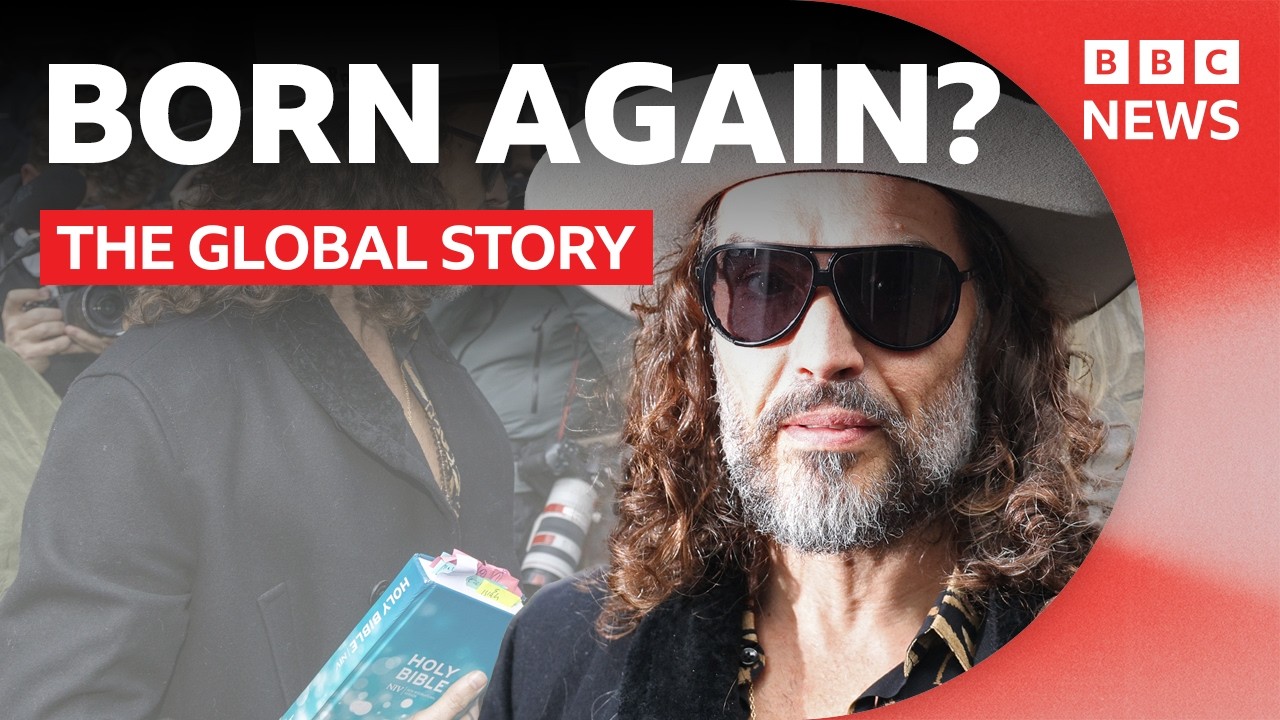
In a curious twist, Brand experienced a spiritual awakening following these revelations, culminating in a baptism in the River Thames. He has since released How to Be a Christian in Seven Days, positioning himself as a seeker of redemption and faith. The book, published under Tucker Carlson’s new imprint, suggests a deliberate attempt to craft a narrative that blends personal crisis with hope and renewal.
His televised interviews, notably with Carlson and others, showcase a man eager to share his newfound faith while deflecting accountability for past actions. Critics question whether this alignment with Christianity is genuine or merely another step in Brand’s ongoing rebranding.
Understanding the Public’s Reception
As Brand’s narratives unfold, the public is left to contemplate the sincerity of his journey. Some perceive him as a "grifter," capitalizing on religious themes for personal gain, while others view his return to spirituality as a sincere pursuit of redemption. His rise and fall echo the complexities of fame in the digital age, where every misstep can lead to severe backlash, yet every transformation offers the potential for revival.
Overall, Russell Brand embodies the paradox of contemporary fame: a vivid example of the struggle for reinvention amidst scrutiny and controversy. His latest transformation invites audiences to grapple with themes of redemption, sincerity, and the ongoing quest for identity in a world increasingly polarized by opinion and social criticism. Whether seen as a reformed figure or a cunning opportunist, Brand’s narrative reflects larger societal questions about the nature of truth, accountability, and the human experience itself.