Understanding the Relationship Between Federal Rate Cuts and Mortgage Rates: What Homebuyers Should Know
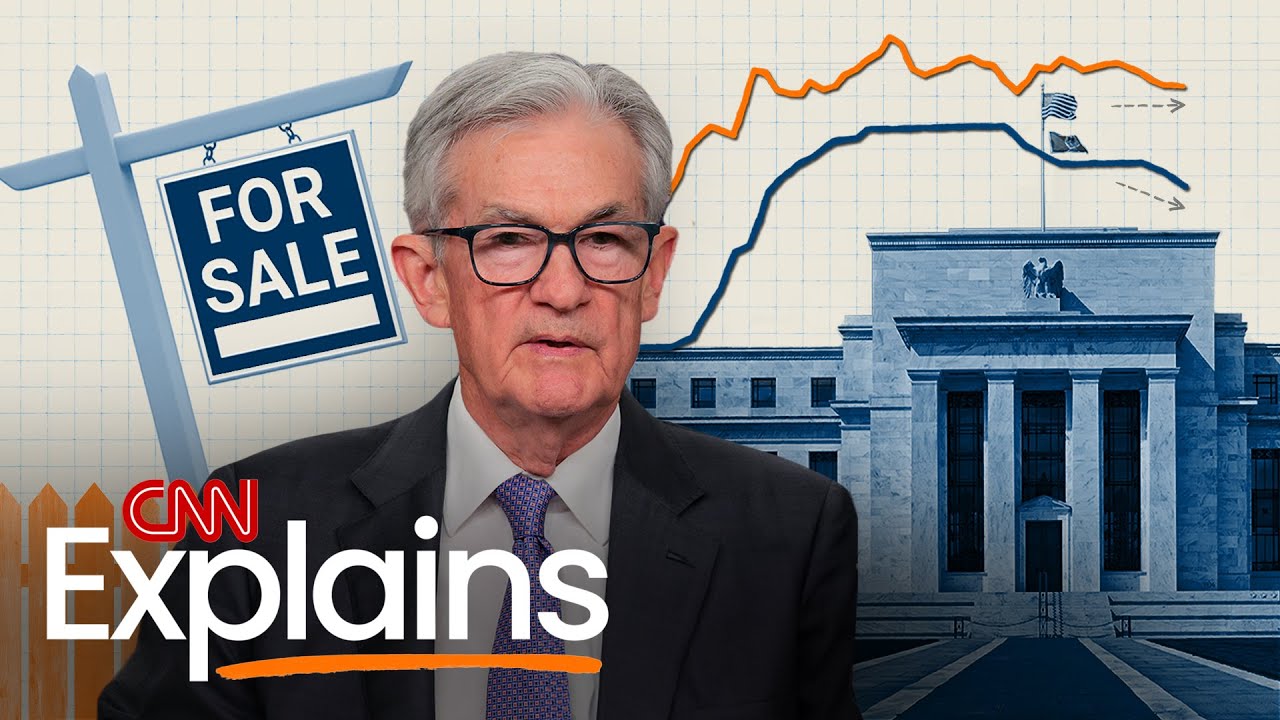
In recent years, changes in the Federal Reserve’s interest rate policy have sparked intense discussions about their implications for mortgage rates. The saga began in 2020, when the Fed lowered interest rates in response to the economic upheaval caused by the COVID-19 pandemic, leading to a corresponding decrease in mortgage rates. However, as inflation began to surge in the following years, the Fed reversed this course, raising rates to stabilize the economy. Amid these financial fluctuations, former President Donald Trump has called for further cuts by the Fed, hoping to see a renewed drop in mortgage rates. Yet, the complexities of this relationship raise an important question: Why don’t Fed rate cuts always translate to lower mortgage rates?
To understand this dynamic, it’s essential to first grasp the significance of the federal funds rate. This benchmark interest rate, set by the Federal Reserve, dictates the rate at which banks lend money to each other overnight. When the Fed alters this rate, it sends ripples through the entire economy, affecting everything from consumer loans to mortgages.
Generally, when the federal funds rate decreases, borrowing becomes cheaper. In theory, this should spur increased lending and lower interest rates on various loan products, including mortgages. However, the relationship isn’t as straightforward as it seems. As Justin Wolfers, an economist at the University of Michigan, notes, banks also factor in a premium before lending out money. They typically add around three percentage points to the federal funds rate to establish what’s known as the prime rate, which influences the rates charged to their most creditworthy borrowers.
Even mortgage rates, while correlated to the prime rate, diverge significantly. A critical factor to consider is the ten-year Treasury bond, which generally shows a tighter correlation with mortgage rates than the prime rate. The ten-year bond reflects market expectations regarding future interest rates, lending a long-term perspective. This dichotomy means that even when the Fed reduces its short-term federal funds rate, mortgage rates may not necessarily decline, influenced instead by investor sentiment about the future economy.
In September 2024, when the Fed cut the funds rate, mortgage rates did not mirror this trend. The bond market remains wary, reacting not just to the Fed’s current policies but to anticipated economic changes, government spending, and overall fiscal stability. Investors look for assurance that the Fed will effectively quell inflation, searching for signs of fiscal prudence. If they doubt the Fed’s commitment, they can push Treasury yields higher, raising mortgage rates instead of lowering them.
The divergence between the federal funds rate and the ten-year Treasury yields illustrates the bond market’s powerful role in determining long-term interest rates. Even if the Fed is influential, it does not hold unilateral control over how mortgage rates behave. In essence, the bond market acts as a check on the Fed; if investors do not believe in the Fed’s efficacy in managing inflation or fostering growth, they can demand higher returns on their investments, which translates into higher mortgage rates.
For prospective homebuyers, this creates a complex landscape. When interest rates rise, affordability declines. Higher borrowing costs deter many potential buyers, influencing demand in the housing market. Consequently, home prices may remain high or continue to escalate, leaving individuals navigating a challenging market environment.
Trump’s advocacy for reduced mortgage rates underscores the significant impacts of monetary policy on homeownership aspirations. Yet, the responsibility does not lie solely with the Federal Reserve. For any meaningful change in mortgage rates, trust in broader economic commitments—such as fiscal policy and inflation management—must also be established.
In conclusion, while the Federal Reserve’s rate cuts can influence mortgage rates, they are merely one part of a complex equation. The interplay between the federal funds rate, the ten-year Treasury bond, and investor confidence underscores the multifaceted nature of financial markets. As homebuyers navigate these challenges, understanding these dynamics will be crucial in making informed decisions in an ever-evolving economic landscape.