Escalation in the Middle East: A Global Impact
In recent days, tensions in the Middle East have intensified dramatically, as Iran and Iranian-backed militias have launched a series of missile strikes aimed at Israel and neighboring Arab states. This worrying escalation comes on the heels of concentrated military operations orchestrated by the United States and Israel against Iran. The offensive has already resulted in substantial casualties, raising alarms about broader regional instability.
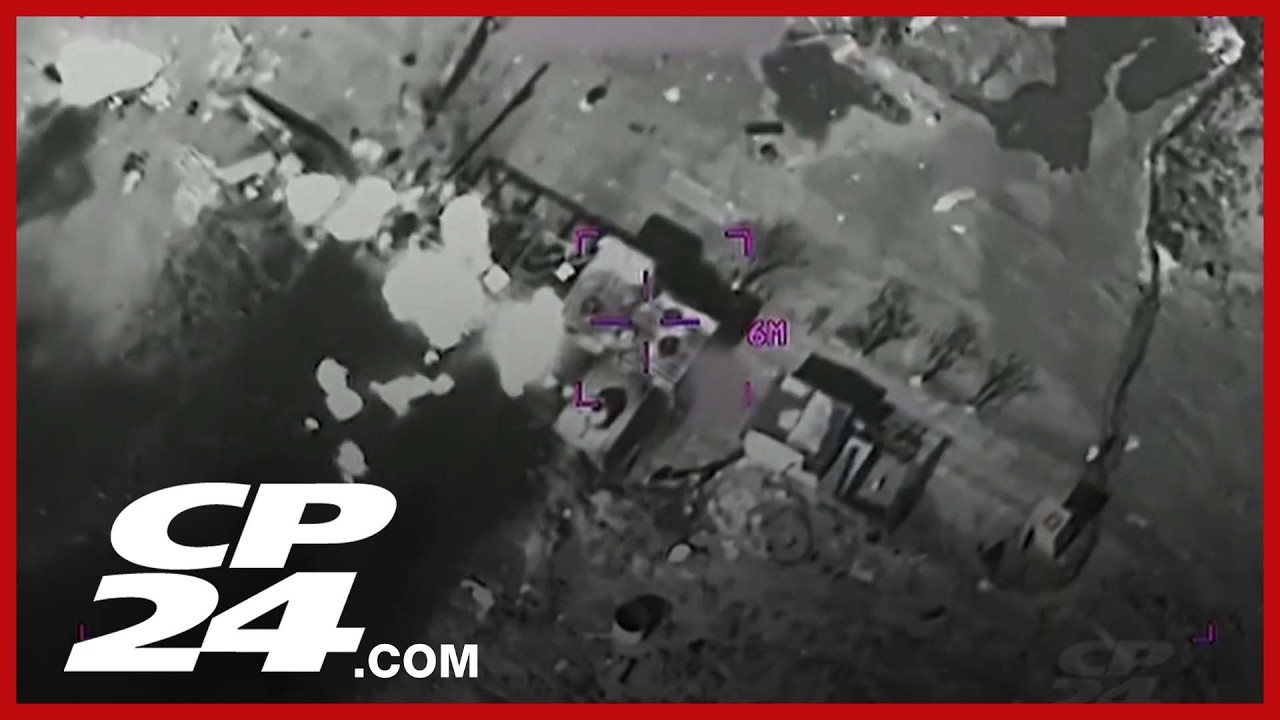
The conflict erupted prominently on Saturday and has undergone rapid developments since then. Scott Hurst from CTV News reports that the joint military campaign by the U.S. and Israel continues unabated, targeting Iranian military installations. In response, Iran has retaliated, directing missiles at both Israeli and U.S. military positions in the Gulf. These counterstrikes have proven deadly, resulting in the tragic loss of several American service members. In the heart of this turmoil is the vow from Iran to seek revenge for the death of Supreme Leader Ayatollah Ali Khamenei, a figure pivotal to the country’s political and religious life.
As the hostilities escalate, this conflict has begun to envelop not just the immediate parties—namely, the U.S., Israel, and Iran—but also adjacent regions. Various Iranian-backed militant groups, including Hezbollah in Lebanon, have engaged in missile attacks on Israel, expanding the battlefield and deepening the entanglements. The repercussions of this fighting extend far beyond the Middle East; we are already witnessing a global fallout that includes disrupted shipping routes, fluctuating oil prices, and rising tensions in financial markets worldwide.
In Canada, the implications of this conflict have prompted officials to respond. Foreign Affairs Minister Anita Anand recently clarified that Canada will not participate militarily in the ongoing operations but acknowledges shared concerns regarding Iran’s nuclear ambitions. While the government favors diplomatic avenues, the path to resolution remains uncertain, and reactions to the escalating crisis reflect a spectrum of opinions on how swiftly a diplomatic solution can be reached.
Anand emphasized that Iran remains the principal source of instability and terror in the region, alongside having one of the worst human rights records globally. Canada stands in solidarity with the Iranian people, seeking a peaceful resolution to the escalating conflict. Underlining this commitment, the Canadian government has updated its travel advisories, cautioning against all travel to several areas in the Middle East, such as Bahrain, the UAE, Kuwait, Lebanon, and Israel. Non-essential travel to Oman, Saudi Arabia, and Jordan is also discouraged, highlighting the seriousness of the current situation and Canada’s effort to prevent its citizens from getting caught in a worsening crisis.
The ties individuals in Canada have with family and friends in the Middle East compound the gravity of the situation. Many are anxiously waiting for updates as the military campaign unfolds. The concern goes beyond the immediate repercussions of the conflict; it touches the lives of many who have roots in the affected regions.
As international eyes turn toward the Middle East, the call for a resolution grows louder. The stakes involved in the conflict affect millions and resonate globally, signifying not just geopolitical tensions but also humanitarian concerns. The tragic loss of life and the threat to stability should serve as a clarion call for a more focused diplomatic effort.
In summary, the escalating military actions in the Middle East have set into motion a chain reaction that reverberates around the world. The complex web of alliances and enmities in the region underscores the urgent need for caution and wisdom as global leaders navigate this precarious landscape. As lives hang in the balance and the potential for broader conflict looms, a concerted effort towards peace becomes imperative, reminding us all that in times of crisis, diplomacy is the most valuable tool we possess.