Fragility of the Ceasefire: Implications for Iran, the U.S., and Global Commerce
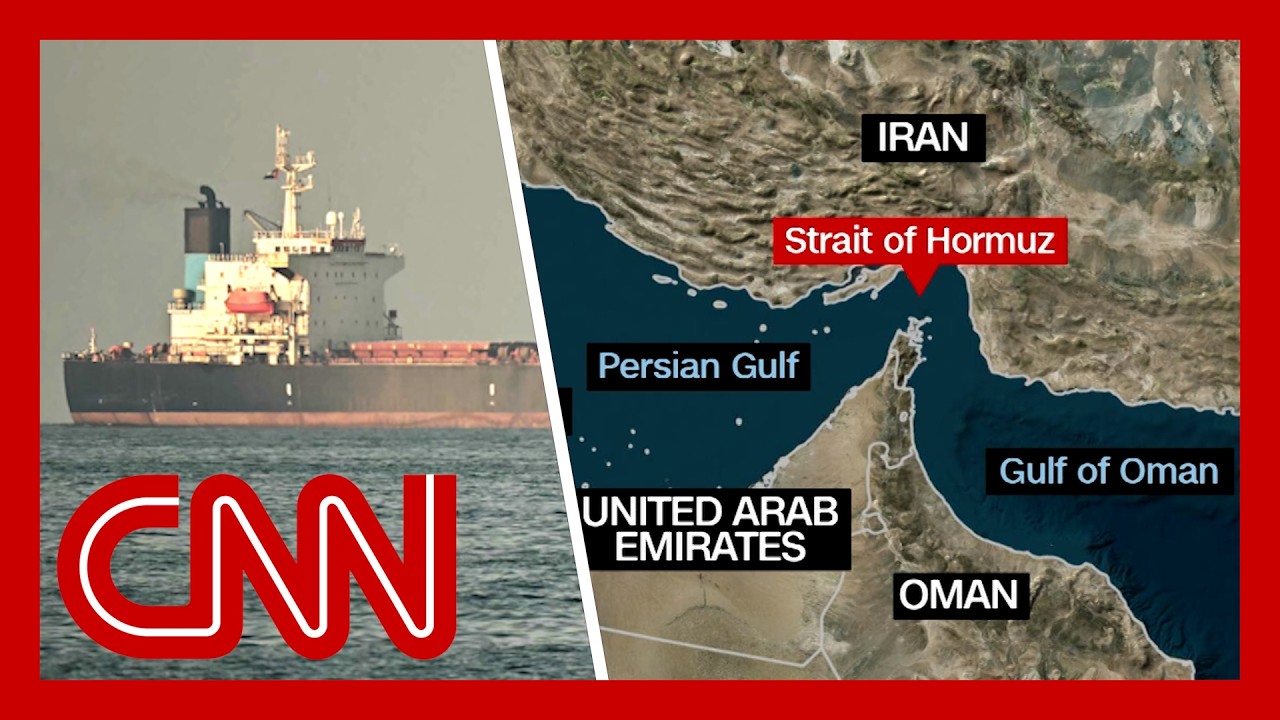
In the hours following President Donald Trump’s announcement of a two-week ceasefire with Iran, the international landscape has become increasingly complex. The optimism surrounding the truce, intended to ease tensions and fortify global commerce through the Strait of Hormuz, quickly dissipated as reports emerged indicating Iran’s abrupt halt on oil tanker traffic through this crucial strait. The temporary agreement mandated that the Strait remain open for commerce, a cornerstone of discussions between the two nations.
Secretary of Defense Pete Hegseth emphasized earlier today that, at least for now, military monitoring from both sides continues, with assurances that "commerce will flow." However, Iran’s deployment of military maneuvers has left many questioning the efficacy and longevity of the ceasefire. In exchange for compliance, Iran expressed a desire for Israel to cease its bombardment of Hezbollah targets in Lebanon—a demand that Israeli officials firmly rejected. As strikes continued against Hezbollah in Beirut, the situation became more precarious.
What was projected as a diplomatic victory for the White House is now viewed by critics as a backtrack in U.S. standing. The assertion that Trump had opened the Strait of Hormuz may seem far-fetched, considering its operational status prior to the hostilities. The ability of Iran to swiftly close the strait undermines U.S. claims of stability and suggests a strategic defeat. This development raises questions about the U.S. response—will it downplay the situation, or will escalating tensions compel a military reaction?
The complexities continue to mount, with multiple players involved. Political narratives from both Washington and Tehran are at odds, each claiming success in the tense chess game unfolding in real-time. The ambiguity over terms has led to further complications, particularly concerning the role and stance of Pakistan, whose Prime Minister has supposedly facilitated an understanding between the U.S. and Iran. Unwilling to divulge specifics, he mentioned that the matter remains confidential, highlighting the ongoing rifts that must be addressed for any lasting peace.
General Ben Hodges, a retired Lieutenant General with extensive military experience, voiced skepticism regarding the notion of a ceasefire. He noted that an absence of coordination among military units, particularly on the Iranian side, belies the assumption of peace. The fragility of the arrangement becomes even more pronounced as Hezbollah escalates its operations in Lebanon. This lack of consensus could undermine efforts for a diplomatic resolution and, ultimately, global stability.
Market reactions to the ceasefire have been telling. Though oil prices initially dipped in response to the announcement, uncertainty lingered as traders grappled with Iran’s control over the Strait. Bruised by geopolitical turmoil, Brent Crude and WTI prices remain elevated, hovering around $95 a barrel—still far from pre-war levels. Traders continue to wrestle with questions about future supply and maneuverability in the strait, especially considering Iran’s military strategy of potential transit fees for oil vessels.
Concerns arise about an increasing likelihood of excessive tolls on oil transport, particularly for vessels linked to the United States and Israel, raising red flags for economic activity in the region. If Iran persists in asserting its control over the Strait, the implications for global oil supply could be severe.
In this vividly uncertain geopolitical landscape, it remains paramount for all parties involved to seek clarity and common ground. The potential for conflict looms large, with national interests at stake. The fragile ceasefire is emblematic of a broader dilemma—the intersection between political posturing and the human costs of military engagement. Only through skillful diplomacy can the strait—and global commerce—be safeguarded from further volatility. The coming days will be pivotal in determining whether this fragile agreement can evolve into a substantive and lasting resolution.