Escalating Tensions: Trump’s Demands and Iran’s Response
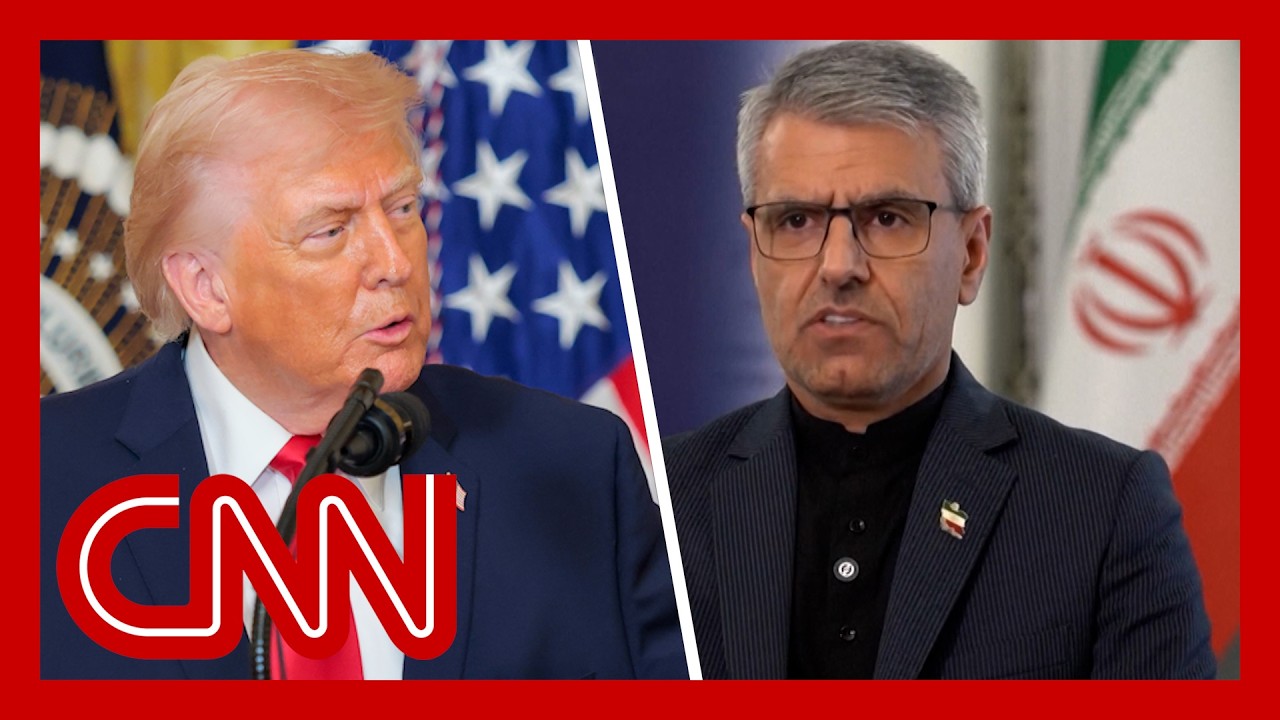
In recent days, President Donald Trump’s audacious, expletive-laden social media threats against Iran have elicited a flurry of reactions, both from Iranian officials and within the United States. His claims to target the country’s power plants and bridges have ignited fierce rhetoric from Tehran, a stark indication of the precarious state of U.S.-Iran relations.
Prominent voices in Iranian politics, such as parliamentary speaker Mohammad Bagha Ghalib, have publicly condemned Trump’s statements. Ghalib went so far as to accuse the U.S. of pushing Iran toward a "living hell" and warned of potential devastation across the region. This harsh rhetoric underscores a pervasive sentiment in Iran: any targeting of civilian infrastructure will be met with reciprocal measures. The Iranian Foreign Ministry has stated unequivocally that any attack on its infrastructure would result in an equal response against U.S. interests.
Interestingly, the Iranian embassies around the world have also engaged with Trump’s communications in a rather tongue-in-cheek manner, employing social media to express their disdain. For example, Iran’s embassy in India characterized Trump’s threats as the behavior of a “sore loser brat” who needs to “get a grip.” Such responses not only reflect the rising tensions but also highlight the Iranian regime’s strategic use of modern communication platforms to sway public opinion.
Contrasting with this diplomatic banter, criticism of Trump has emerged in the U.S. itself. Senate Minority Leader Chuck Schumer labeled the President an "unhinged madman" in light of his inflammatory posts. This internal discord raises questions about the stability of U.S. leadership amid escalating international tensions.
As military actions proliferate, recent airstrikes attributed to the U.S. and Israeli forces in Iran have caused significant casualties, with reports claiming that civilians in densely populated urban areas have been caught in the crossfire. Though CNN has not independently verified these figures, such loss of life only exacerbates already strained international relations.
Diplomatic efforts aimed at de-escalation appear to be faltering. Pakistan’s role as a mediator seems increasingly futile, especially with both sides entrenched in their positions. From Iran’s perspective, waiting for Trump to miss a deadline may be a more strategic approach. The lack of a coherent U.S. policy has left the Iranian leadership with a sense of advantage in a complex geopolitical chess game.
However, social media serves as a double-edged sword in this conflict. While Trump’s messages resonate strongly among his followers, the Iranian government’s responses on platforms like X (formerly Twitter) largely go unnoticed in the U.S. public sphere. Individuals may not be monitoring tweeting embassies in distant countries, yet the implications of Trump’s statements reverberate throughout Iran, affecting public sentiment and policy.
As reactions continue to unfold, the rhetoric from both sides raises the question of accountability. Recent discussions surrounding potential war crimes, particularly in targeting critical civilian infrastructure, speak volumes about the broader ramifications of these threats. Legal experts have begun to raise alarms about the consequences of such military decisions, urging for a more measured approach rather than reckless escalation.
With Israeli officials aligning alongside Trump in issuing threats against Iranian infrastructure, the stakes are higher than ever. The rhetoric from Israel emphasizes a willingness to deal significant blows to Iran’s national infrastructure, aiming to deter what they describe as "terrorist" actions against Israeli civilians. If such targeted attacks continue, they could drive both nations further into a cycle of violence.
In summary, the situation remains charged. The U.S. and Iran appear trapped in an escalating conflict, marked by incendiary rhetoric and military posturing. As both sides brace for potential retaliation, the prospects of reaching a diplomatic resolution diminish. The challenges of managing a crisis at such a volatile junction underscore the pressing need for experienced diplomacy and informed dialogue, rather than social media outbursts that may push the nations closer to a potentially catastrophic confrontation.