Escalating Tensions in the Middle East: Implications of Houthi Attacks on Israel
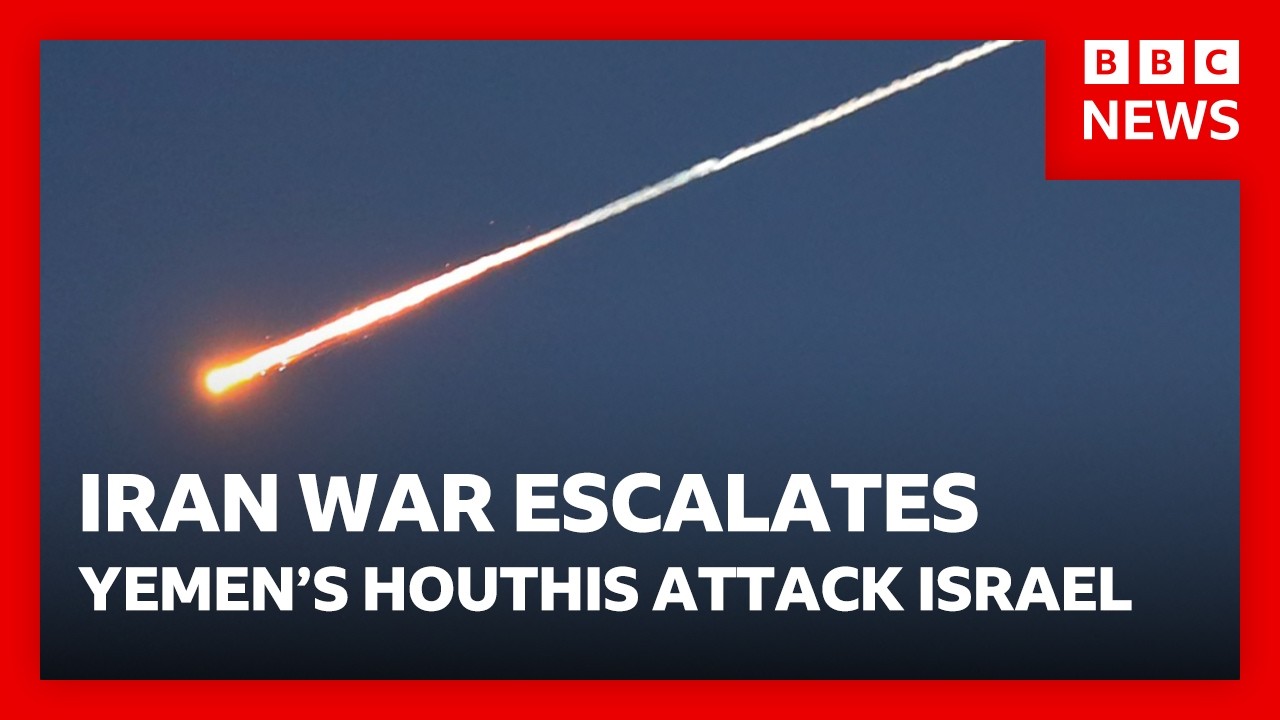
Recent events have thrown the Middle East into a state of heightened concern, with fears that the conflict involving Iran could spiral further out of control. Iranian-backed Houthi rebels in Yemen have announced a second wave of missile and drone strikes against Israel, raising alarms about a multifaceted war that threatens not only regional stability but also global economic interests.
The attacks from the Houthis, a group long known for their hostility toward Israel, come at a time when tensions are already palpably high. The Red Sea, a critical global shipping route, is now under scrutiny, as many fret about potential Houthi strikes against maritime traffic. This concern is magnified by past assaults on shipping vessels in the Red Sea, which resulted in significant damage and disruption. Should these attacks resume, the Bab al-Mandab Strait—an essential chokepoint for oil transport—could see further escalation, impairing the flow of goods and oil critical to the global economy.
The situation is compounded by numerous other attacks across the region. In one recent incident, a US military base in Saudi Arabia was targeted, injuring 12 American troops. This incident serves as a reminder that the conflict is extending beyond Israel and Iran, drawing in Gulf allies and complicating an already intricate geopolitical landscape.
Visuals from Iran show the devastating impact of the ongoing conflict, with Red Crescent rescue teams sifting through the rubble of bombed buildings. While the US and Israel assert that they have significantly degraded Iran’s military capabilities through extensive air strikes, the Iranian regime continues to respond aggressively. They have touted their capabilities, even unveiling footage of their 85th wave of missile launches.
In this fraught environment, Israel stands resolute, pledging to protect its civilians amidst threats from various fronts. Israeli officials have indicated that they are prepared for a war on multiple fronts, which fortifies their military posture in the region. Prime Minister Netanyahu has been clear: any action against Israeli civilians will be met with a decisive counterstrike.
However, the economic ramifications extend beyond immediate military concerns. Saudi Arabia has already begun diverting oil shipments through a pipeline to the Red Sea to avoid potential conflicts in the Strait of Hormuz, a critical waterway for global oil distribution. The Houthis’ threats to target commercial shipping could undermine this shift, with consequences reverberating throughout international markets.
The war’s divisive nature has also affected politics in the United States, where protests against military involvement in the region have intensified. Former President Donald Trump has framed the conflict as a necessary stance against a radical regime. Yet, this simple rhetoric belies the complexities of the situation, highlighting a stark divide between various political factions regarding America’s role in the Middle East.
Diplomatic efforts to forge a resolution have also come into play, with Pakistan offering to host talks involving key players like Egypt and Turkey. However, the communications appear misaligned. The US has signaled that Iran is effectively defeated and should surrender, while Iranian officials have given no indication of backing down.
Amid these strategic maneuverings, the human toll of the conflict continues to rise. Reports from Lebanon recount tragic incidents, including the deaths of three journalists in an Israeli airstrike and numerous civilian casualties among children. The narrative from these regions paints a harrowing picture, where innocent lives are caught in the crossfire of geopolitical gamesmanship.
As Israel expands its military operations against Hezbollah in southern Lebanon, calls for restraint and protection of civilians seem drowned out by the cacophony of war. The ongoing offensives not only endanger lives but also threaten to erase the future of a generation.
While both sides maintain their fierce resolve, the war’s complexity reveals a landscape fraught with peril. With so many actors involved and an escalation of attacks looming, the potential for a broader conflict seems imminent. The imperative now lies in finding a path towards dialogue and cessation of hostilities before the situation deteriorates further. As history teaches us, a resolution, once delayed, can transform simple skirmishes into drawn-out conflicts with no clear end in sight.