Escalation in the Middle East: The Houthis Enter the Conflict
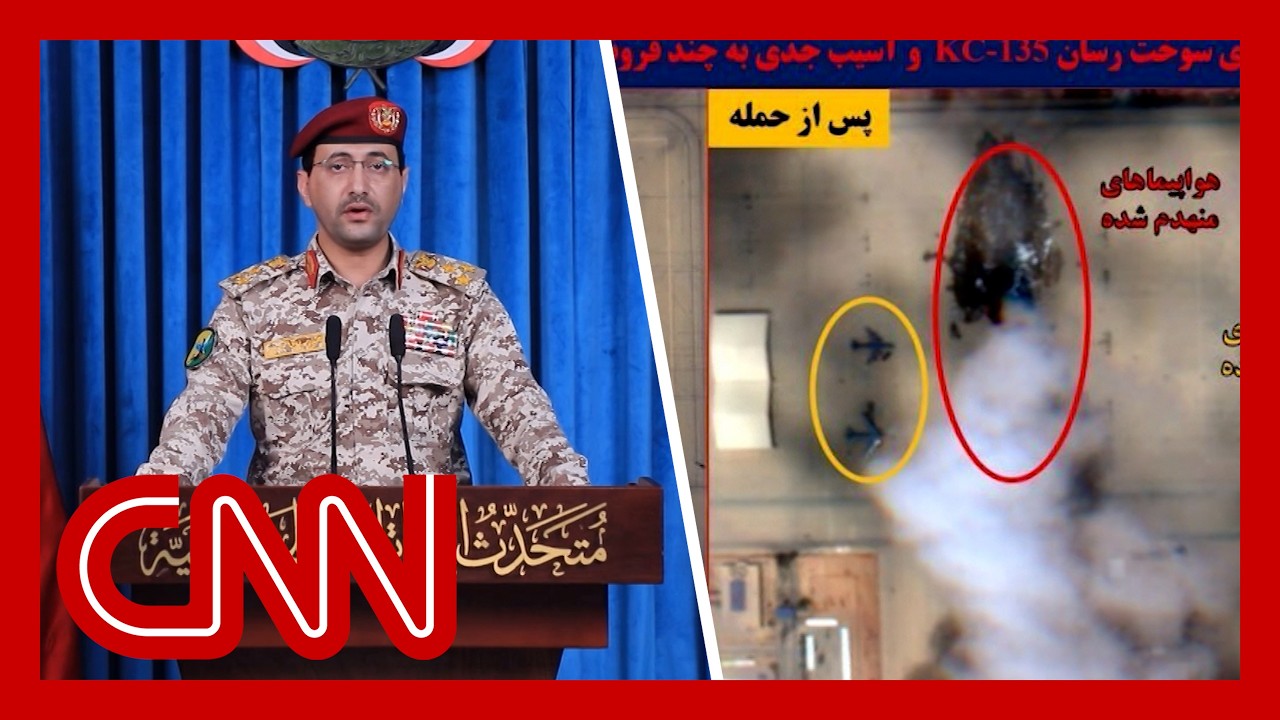
In a significant shift in the ongoing conflict engulfing the Middle East, Houthi rebels from Yemen, backed by Iran, have announced the launch of missiles directed toward military sites in Israel. This marks their formal entry into a multifaceted war that has escalated following developments since October 7. With tensions mounting and multiple countries involved, this incident has raised alarms about the broader implications for regional stability and global trade.
As the conflict approaches its second month, analysts are observing a heightened state of escalation. The Houthis, historically supportive of Iran’s objectives but previously reticent in military engagement, have rapidly transitioned into a more active role. This change acts as a wild card; the Houthis are known for their control of vital maritime routes, including the Bab al-Mandeb Strait, a crucial chokepoint that impacts global shipping routes.
The implications of the Houthis’ newfound military assertiveness are dire. Should they choose to threaten or close the Bab al-Mandeb Strait, it would severely hamper trade for countries reliant on shipping through this corridor, particularly Saudi Arabia and other Gulf nations. Critics argue that the continued pressure on these trade routes could exacerbate economic strains already evident in Gulf states, where supply chain disruptions are becoming increasingly problematic.
Already, the Strait of Hormuz, another key maritime choke point, is experiencing significant pressure due to regional tensions. The Houthis’ actions bring a new complexity to an already volatile environment. Their missile launch toward Israel, while intercepted, speaks volumes about their strategic utility to Iran and the potential tactical choices they might pursue in the future. Should they opt to disrupt maritime traffic, the global economy could face substantial repercussions.
During discussions on this evolving situation, military analysts emphasized the Houthi group’s prior sidelining. Analysts deduced that this could be attributed to the effects of U.S. military actions against them in previous engagements. The Houthis, recognizing the risks involved, bided their time and have now re-entered the fray at a moment they deemed most advantageous.
As regional tensions escalate, the U.S. and its allies have responded with increased military presence in the form of carrier strike groups in the region, while the implications of deploying ground troops remain under consideration. The potential deployment raises questions about the long-term U.S. strategy in addressing threats from both the Houthis and Iran’s broader ambitions. Analysts have noted that the prospect of additional troop deployments increases the risks of a broader military confrontation.
The concerns are not limited solely to military engagement. Diplomatic channels are still open, and there is a sense that U.S. officials, alongside regional partners, are exploring potential avenues for negotiation. However, the unpredictability of the situation necessitates careful strategizing, particularly as the Houthis continue to launch additional strikes.
Indeed, President Trump’s administration is caught in a web of differing assessments. From the need to pressure Iran to the desire for a diplomatic resolution, the administration’s ability to navigate this multifaceted conflict will be tested. The introduction of foreign military capabilities, including assistance from European allies in naval operations, may play a pivotal role in balancing the scales.
The involvement of Ukraine in this increasingly complex scenario, particularly with its offering of drone technology to Gulf states facing Iranian threats, further complicates geopolitical dynamics. As countries explore diverse partnerships to counteract Iranian influence, the broader implications for international relations and security will continue to evolve.
In summary, the entry of the Houthis into this conflict represents a critical juncture. The potential for further escalation is alarming, as military engagement could destabilize an already fragile region and impact global trade routes. As world powers assess their strategic positions, the path forward requires careful consideration of both military readiness and diplomatic engagement to mitigate the risks of widespread conflict.