Rising Tensions in the Gulf: What the Interception of Drones Means for Global Oil Markets
Recent developments in Saudi Arabia have significant implications not only for the region but also for the global economy. The Saudi Defense Ministry announced the interception of two drones approaching the Ten-Year Oil Refinery, one of the largest and most critical facilities in the country. This incident highlights existing geopolitical tensions and raises concerns about energy security amid rising oil prices.
The Strategic Importance of the Ten-Year Refinery
Situated within a sprawling complex, the Ten-Year Refinery has a production capacity of approximately 500,000 barrels of oil per day. This facility is a cornerstone of Saudi Arabia’s economy, playing a vital role in both domestic supply and global oil markets. The interception of drones in this vicinity serves as a stark reminder of the vulnerabilities associated with energy infrastructure in an increasingly hostile environment.
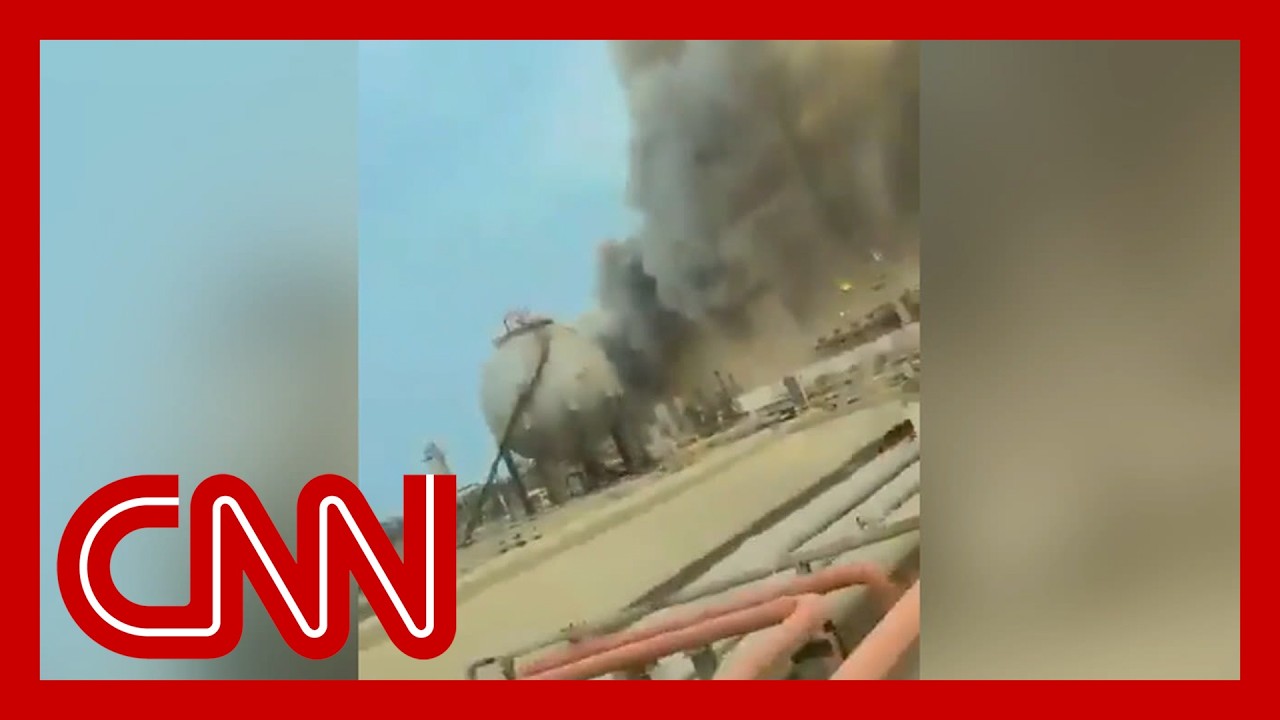
The Defense Ministry reported successful interception efforts, with no casualties resulting from the event, although falling debris ignited a fire nearby. The implications of such an incident are profound, especially given its context within a broader narrative of rising tensions in the Gulf region. Just yesterday, a joint statement from Gulf Cooperation Council (GCC) foreign ministers underscored their collective intent to protect regional stability, sending clear signals to Iran.
Broader Geopolitical Context
This incident follows a troubling pattern of aggression, including a recent attack on an oil tanker off the coast of Oman. Following these events, global oil prices have surged—Brent crude jumped nearly 13% during trading sessions. Investors are understandably anxious about the stability of maritime routes that facilitate around 20% of the world’s oil flow, notably the Strait of Hormuz.
International shipping companies are already taking precautions. Some, including Danish firm Maersk, have ceased operations through these critical waters, illustrating how easily geopolitical tensions can disrupt global trade routes and supply lines.
Market Reactions and Economic Implications
The immediate aftermath of these events has led to a turbulent day for global markets. Stock indices across Asia and Europe showed declines, while U.S. futures signaled a challenging trading day ahead. The ramifications extend beyond stock prices. European gas prices also experienced a significant jump, climbing around 23%. This reflects a heightened reliance on liquefied natural gas (LNG) that traverses the Strait of Hormuz, dramatically influencing energy markets worldwide.
Investors are primarily focused on oil, as the potential for sustained disruptions in supply could lead to prices exceeding $100 per barrel. Analysts note that while traders initially anticipated a short-lived impact, there is an increasing fear of a prolonged disruption due to the ongoing hostilities and the precarious nature of the Strait of Hormuz.
Assessing Risks and Future Prospects
The response to these disruptions and the broader regional conflict is critical. Iman Nasri, a Middle East energy consultant, indicated that the current level of risk to energy supplies is significant. The potential closure of the Strait of Hormuz jeopardizes the flow of 20 million barrels per day of oil—a figure that cannot be easily compensated for from alternative sources.
In considering the future, the International Energy Agency (IEA) may have to intervene to stabilize the markets, possibly through the release of strategic reserves. However, it’s crucial to monitor how OPEC responds; thus far, their measures seem inadequate to address the looming energy crisis.
Conclusion
The interception of drones near the Ten-Year Refinery embodies a growing volatility in the Gulf region with far-reaching consequences for global energy markets. As nations grapple with the unfolding crisis, understanding the implications for oil supply and international relations will be crucial. The events of recent days serve as a sobering reminder of the intertwined nature of geopolitics and economics, and the need for strategic foresight in navigating these turbulent waters. Understanding these dynamics will be essential for stakeholders as they prepare for what lies ahead in this precarious landscape.