Escalation in the Middle East: Israel Strikes Hezbollah Amid Heightened Tensions
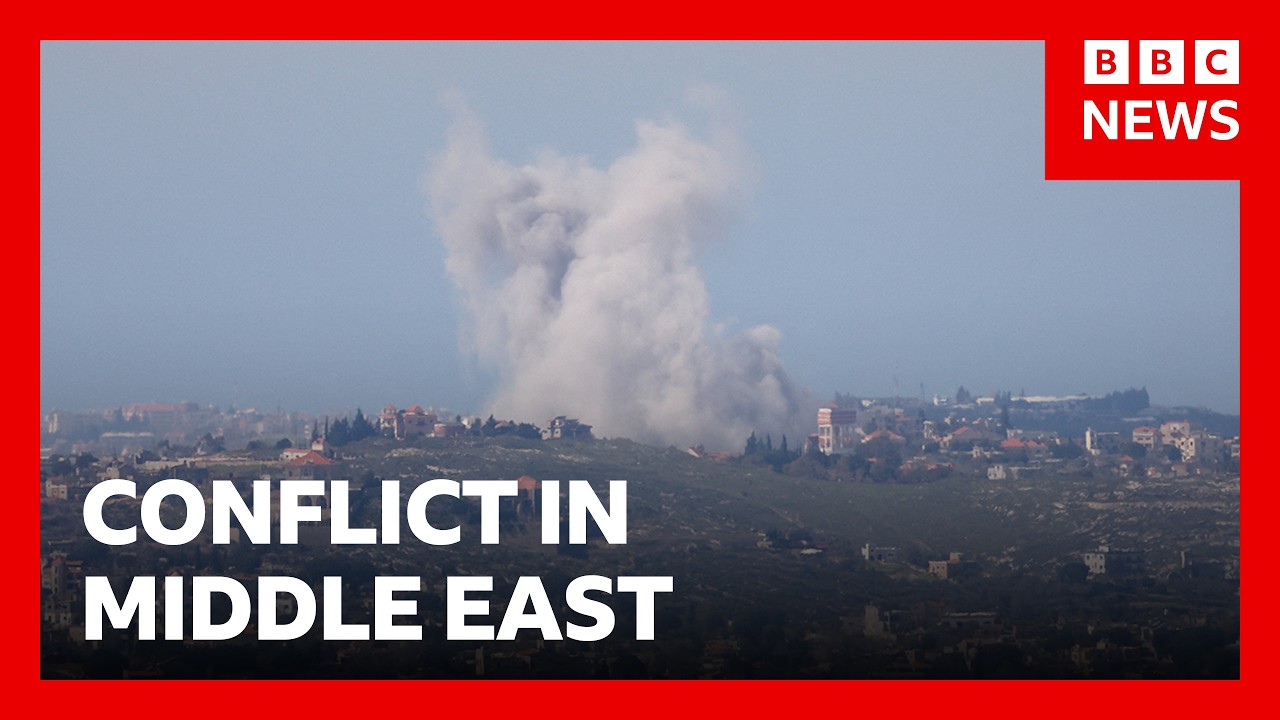
Israel has initiated a significant air assault against Hezbollah, the Iranian-backed militia operating in Lebanon. This response follows recent missile attacks launched by Hezbollah into Israeli territory, an act perceived as an act of vengeance for the death of Iran’s Supreme Leader. The Israeli Defense Forces (IDF) have publicly accused Hezbollah of acting as a proxy for Iran, specifically targeting Israeli civilians. The situation is precarious, with Israeli officials stating their intention to respond decisively to Hezbollah’s escalation.
In the wake of the aerial bombardment, the Israeli government has issued evacuation orders for more than 50 towns and villages throughout Lebanon. This has resulted in congestion on the roads of Beirut, as citizens flee what they fear could escalate into a broader conflict. Reports indicate that since early this morning, residents have been attempting to leave the city in droves, underscoring the palpable fear permeating the atmosphere.
Lena Sinjab, a correspondent stationed in Beirut, reported a cautious calm this morning, punctuated by the sound of Israeli drones circling the city. These drones appear to be part of a broader strategy to serve as a warning while preparing for potential further military action. Lebanese government officials, including the Prime Minister and Justice Minister, have expressed outrage over Hezbollah’s missile strikes, pledging to hold those responsible accountable. Notably, the Lebanese President has weighed in, claiming these actions undermine ongoing political negotiations aimed at de-escalation.
Public sentiment in Lebanon seems divided. While a fraction of the populace may maintain support for Hezbollah’s actions, many are apprehensive about the repercussions of such hostilities. After enduring significant destruction during the last conflict with Israel, many residents are gravitating towards safety far from the ruins of previous military engagements. The scars left from the last war, which dismantled key Hezbollah strongholds, still linger as reminders of what could potentially unfold again.
The regional conflict has now entered its third day, with both the US and Israel conducting large-scale airstrikes directed at Iranian positions. The resonance of these military operations has extended throughout the Middle East, causing detonation sounds in cities as distant as Abu Dhabi and dramatic visuals of smoke rising near the US embassy in Kuwait. In addition, authorities have reported crashes of several US warplanes near the Kuwait-Iraq border, amidst a chaotic landscape of aerial warfare.
President Trump has publicly reaffirmed his commitment to combat operations against Iran, suggesting that military actions will continue until defined objectives are achieved. This statement has incited concern over potential American casualties, particularly after confirmation that three US service members have died in the line of duty.
Compounding the complexity of the situation, UK officials have been pressed to clarify their stance regarding the use of British military bases for US strikes against Iranian missile targets. This has raised a significant debate about the definitions of offensive versus defensive military actions. Critics argue that the purported distinction may not hold water in the eyes of those affected by the aerial assaults.
As this multi-faceted conflict continues to evolve, the legalities surrounding these military operations remain contentious. International law posits that preemptive strikes can only be justified under the condition of imminent threats. Questions linger regarding evidence substantiating the claim that Iran has posed an immediate danger to Israel, a point that has been vigorously debated among international legal experts.
In grappling with these complex issues, the Israeli government maintains that their attacks are not indiscriminate; rather, they are aimed at military installations responsible for launching strikes against Israel. Israeli President Isaac Herzog, in a recent interview, defended these operations by highlighting an overarching moral imperative to counter what he describes as a pervasive evil threat.
In a region fraught with historical grievances and recent tragedies, the escalating conflict presents both immediate dangers and long-term implications. The unfolding situation invites acute scrutiny from global observers, raising questions about the future stability of the Middle East—and the possibility of newfound avenues for peace amidst the chaos.