The Ongoing Conflict: Day 58 of the US-Israel War with Iran
As the conflict enters its 58th day, the situation surrounding the US-Israel war with Iran continues to evolve rapidly. Recent developments signal a complex interplay of diplomacy, military actions, and strategic positioning among nations in the region.
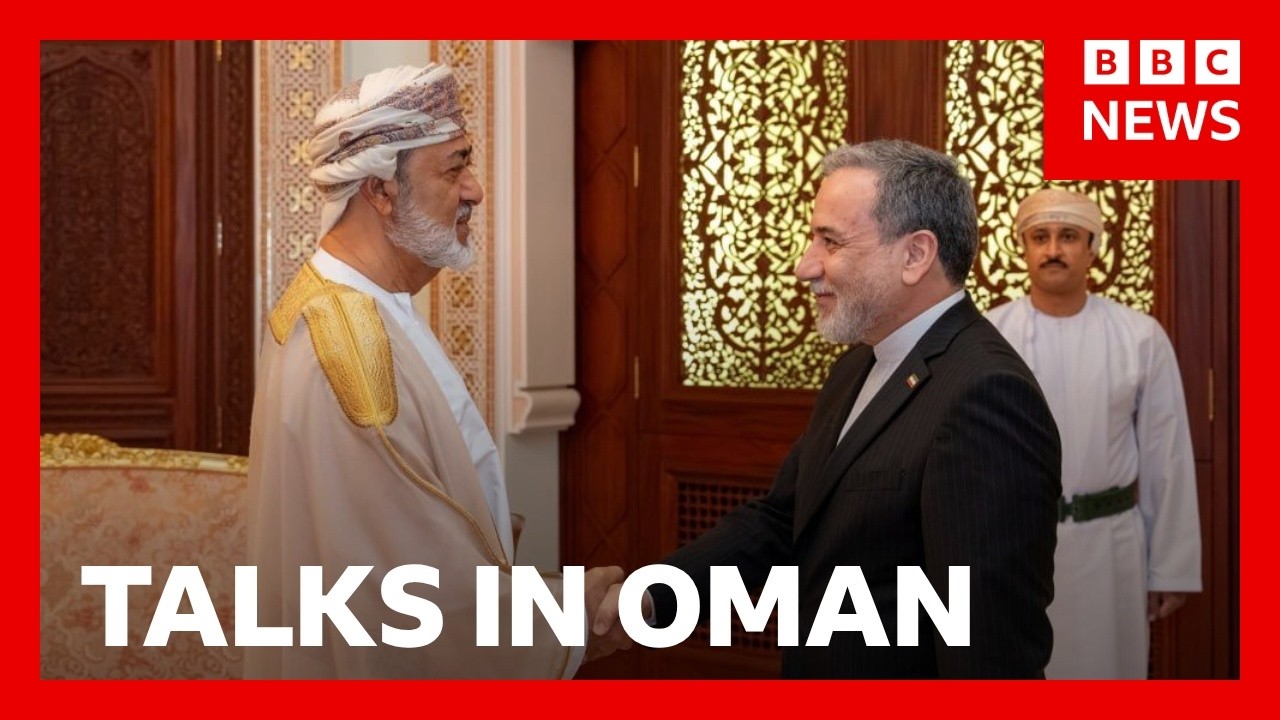
Iran’s Foreign Minister, Abbas Araghchi, returned to Pakistan after a significant visit to Oman, where he sought to engage with the Sultan regarding potential peace negotiations. His next diplomatic stop is Russia, an ally with whom Iran has established a strategic relationship. This visit follows the surprising decision by President Donald Trump to cancel an official delegation’s planned visit to Pakistan, indicating a shift in the US approach to negotiations with Iran.
Araghchi’s return to Pakistan is not merely ceremonial. It is reported that he brought with him a new proposal aimed at fostering dialogue. Upon arrival, he met with high-ranking Pakistani military officials. However, the Iranian press has suggested that the stipulations around Iran’s nuclear program remain a significant sticking point. Iranian outlets close to the Revolutionary Guards have firmly stated that any discussions surrounding Iran’s nuclear ambitions are non-negotiable.
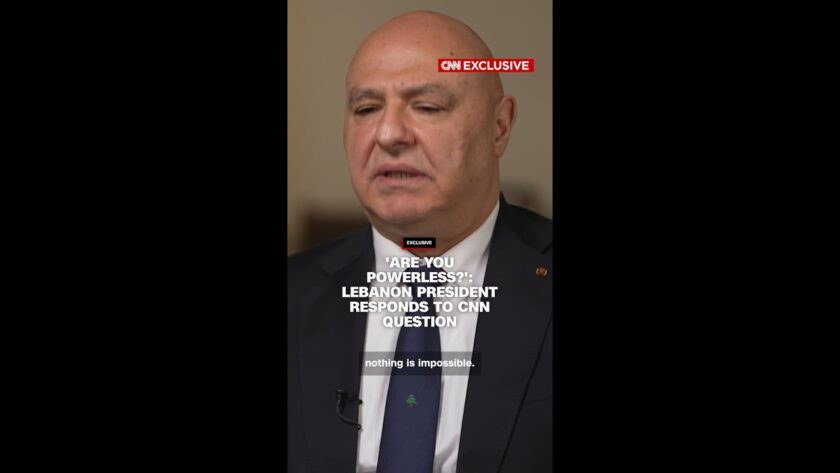
This complexity is compounded by ongoing Israeli military actions in Lebanon, ostensibly targeting Hezbollah positions. Israel’s Prime Minister Benjamin Netanyahu has publicly blamed Hezbollah for violating ceasefire agreements. The escalating airstrikes have caused significant civilian casualties, leading to deepening humanitarian crises. The Lebanese Ministry of Health reports that almost 2,500 people have lost their lives since the beginning of the conflict. As the situation deteriorates, evacuation orders are being issued in southern Lebanon, indicating the urgent need for resolution, which appears distant.
In a shift in rhetoric, President Trump has expressed openness to dialogue but has simultaneously indicated a hardline stance. During a recent interview, he reiterated the US position against Iran obtaining nuclear weapons, stating that the ball is in Iran’s court regarding negotiations. He emphasized that if Iran wishes to engage, they simply need to "pick up the phone." This points to the precarious balance the US aims to maintain—a willingness to negotiate while exerting ongoing pressure.
The Iranian government, meanwhile, continues its outreach to neighboring nations. During meetings in Oman and Pakistan, Araghchi called for a regional framework focused on security, free from foreign intervention. This ideological shift underscores Tehran’s attempt to project itself as a key player in regional diplomacy, demonstrating a capacity for dialogue amid aggression.
As the conflict unfolds on multiple fronts, the strategic significance of the Strait of Hormuz cannot be overstated. Iranian President Ebrahim Raisi has voiced concerns about recent US naval blockades affecting not only Iranian trade but the wider global economy as well. The US Navy has intercepted Iranian vessels, a tactic aimed at constraining Iran’s oil exports, further straining the nation’s economy.
Looking forward, both sides appear entrenched in their positions, with scant clarity surrounding potential compromises or proposals. Trump has indicated that while some Iranian overtures are improvements on previous offers, they fall short of US expectations, particularly concerning the nuclear program. The urgency for a resolution is palpable—not just for Iran and the US, but for the broader region, which is now grappling with the specter of prolonged conflict.
In Lebanon, the ongoing strikes have led to rampant instability. Civilians are caught in the crossfire, yearning for a return to normalcy in their lives. More than a million people are displaced, longing for the opportunity to rebuild their homes and communities. These realities weigh heavily on talks of ceasefire agreements and post-war recovery efforts.
In a world seemingly divided, the approach to this conflict and its resolution will require nuanced understanding and responsive diplomacy. As both sides assess their next moves, the focus must remain on dialogue, as even incremental progress could have significant ramifications for peace in this war-torn region.