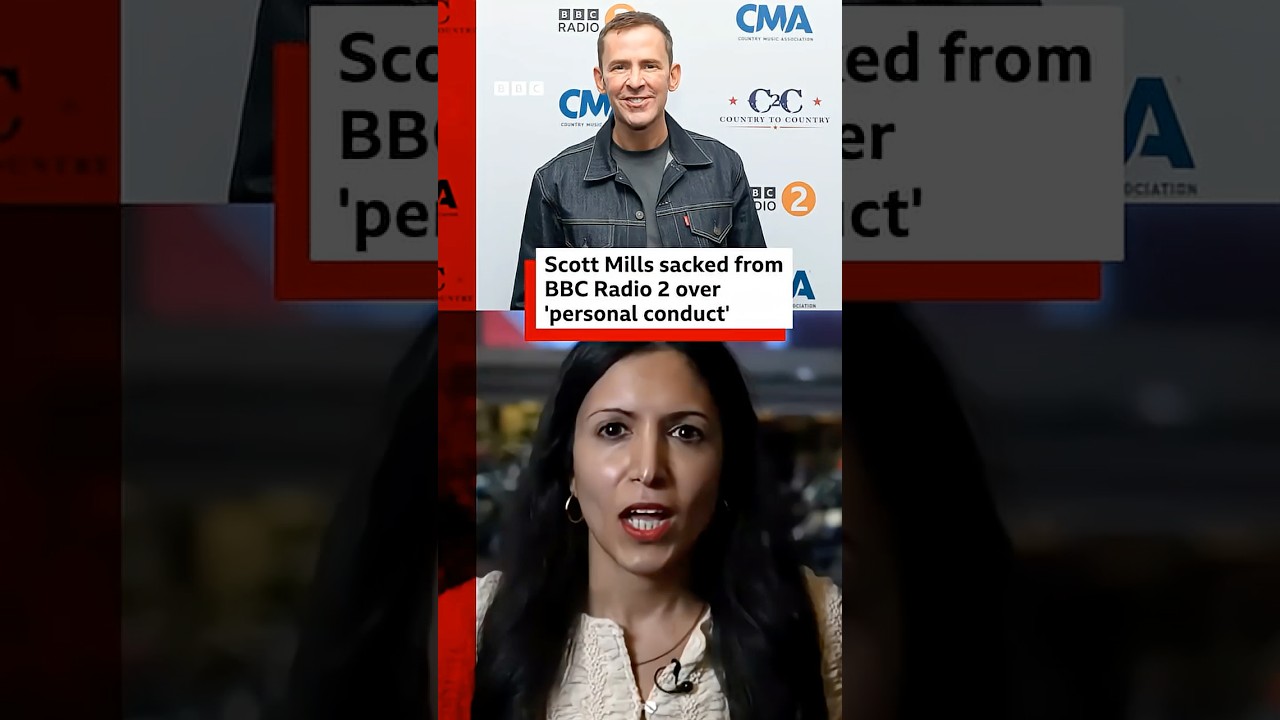
Scott Mills Departures: A New Crisis for the BBC
In a surprising turn of events, Scott Mills has been dismissed by the BBC amid unspecified allegations concerning his personal conduct. Mills, a prominent figure within the organization, was abruptly taken off the air on Tuesday, with the official notification about his termination coming over the weekend. This decision marks yet another chapter in the BBC’s ongoing struggles with managing its workforce, particularly high-profile personalities.
The BBC issued a brief statement regarding Mills’s departure, stating, “While we do not comment on matters relating to individuals, we can confirm that Scott Mills is no longer contracted and has left the BBC.” This specific phrasing subtly hints at the severity of the situation without divulging the details the public seeks. As of now, the exact nature of the allegations remains unknown, but they have already initiated discussions regarding the broadcaster’s internal governance and crisis management strategies.
Mills’s career at the BBC spanned several decades, where he cultivated a distinct voice and loyal following. After taking over the Radio 2 breakfast show from Zoe Ball in January 2022, he quickly became a central figure in BBC Radio. His contributions extended beyond just Radio 2, having held prominent roles at Radio 1 and Five Live. According to the BBC’s latest annual report, Mills’s salary was reported to be in excess of £350,000, underscoring his importance within the organization.
The abrupt nature of his dismissal raises questions about how the BBC handles allegations against its presenters. In the past few years, the organization has seen a string of controversies that have led to high-profile departures. Each incident further complicates the BBC’s reputation, particularly as it grapples with maintaining its integrity and public trust. The scrutiny that follows such announcements inevitably affects not just the individuals involved but also the broader institution.
Scott Mills has far-reaching influence in the broadcasting world, appealing to audiences with his engaging style and relatable content. However, despite his contributions, the BBC now faces the challenge of mitigating reputational damage. With public figures under constant scrutiny, the organization must tread carefully to ensure that proper investigations are conducted without compromising the privacy of those involved.
This situation serves as a wake-up call for broadcasters everywhere, reminding them of their responsibility to uphold ethical standards. Allegations of personal misconduct can rapidly erode public trust, making it essential for organizations like the BBC to have robust protocols in place. They must balance transparency with confidentiality to protect both the alleged victims and the accused.
While Mills has yet to publicly comment on his departure, one can only speculate about the broader ramifications for his career. A figure of his stature faces challenges in navigating a path forward, especially in an industry where reputations are hard to recover once they have been tarnished.
Add to this the current media landscape, where audiences are increasingly demanding accountability from their favorite television and radio personalities. One misstep can lead to a swift downfall, as the case of Scott Mills demonstrates. It has become glaringly evident that, in the age of social media, the public’s response is immediate and often unforgiving.
As the BBC continues to deal with this situation, it stands at a crossroads. Whether it uses this incident as a catalyst for reform or it becomes yet another example of a larger trend will remain to be seen. The broadcasting giant needs to address internal issues while recognizing the cultural climate surrounding media representation.
In conclusion, Scott Mills’s dismissal raises pertinent questions about conduct, accountability, and the longevity of careers in media. While the specifics of the case remain unclear, its implications will likely resonate far beyond the confines of the BBC, prompting a reassessment of how organizations respond to crises involving their most public figures.