The Anatomy of a Scam: A Cautionary Tale from Paris, Ontario
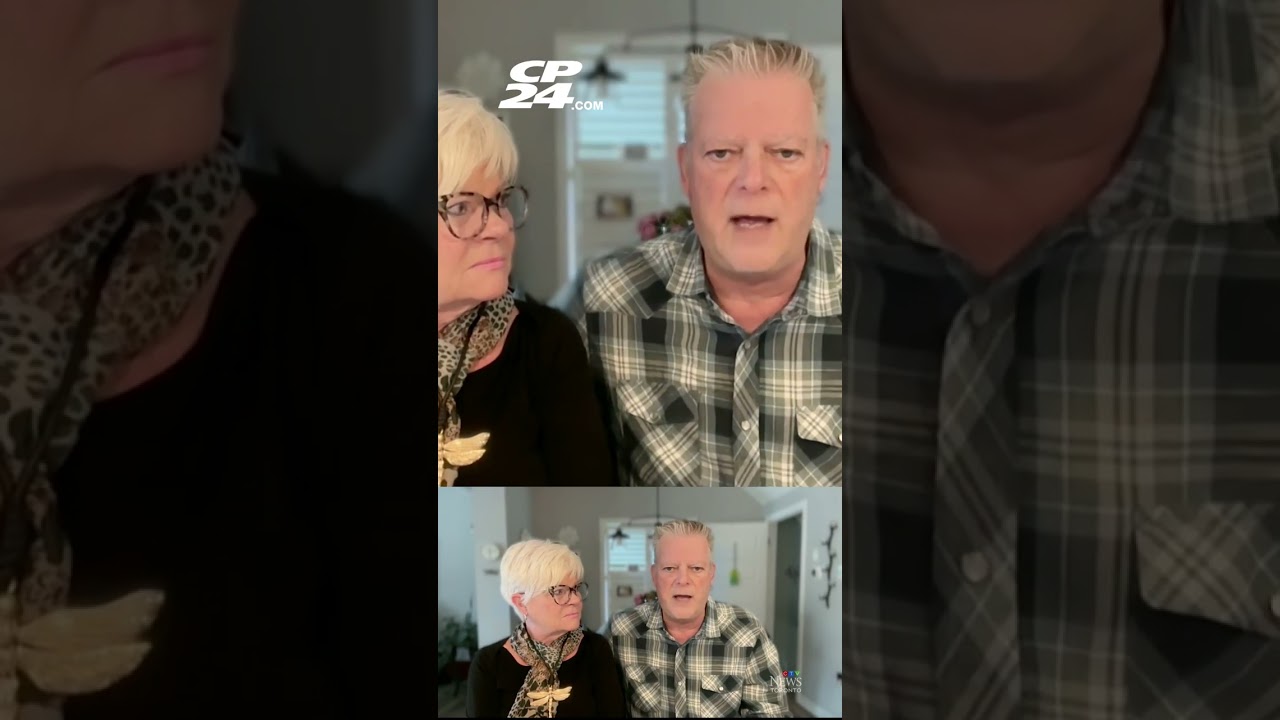
In the age of digital commerce, where convenience often triumphs over caution, even the simplest transactions can spiral into disheartening experiences. Mark Rafie and Carol Crawford, residents of Paris, Ontario, recently fell victim to such a situation while attempting to sell their 2016 Hyundai Santa Fe. Their experience serves as a stark reminder of the vulnerabilities inherent in online marketplaces.
The couple had listed their vehicle for $7,000 on Facebook Marketplace, hoping to attract potential buyers in a digital landscape teeming with prospects. Two men expressed interest and agreed to visit in the evening. What seemed to be a routine sale soon morphed into an elaborate deception.
As Rafie engaged with one potential buyer, the second man quietly moved around the vehicle. The unsuspecting Rafie was occupied with the first man’s inspection of the trunk, unaware of the scheming that unfolded just a few feet away. The second person, taking advantage of Rafie’s distraction, opened the hood of the car and allegedly sprayed oil throughout the engine compartment. The intent behind this deceitful act was not just to cause confusion; it was to fabricate an alarming mechanical failure.
After a brief test drive, the unsettling aftermath came to light. The SUV returned to the driveway, shrouded in plumes of white smoke. This, the men claimed, was evidence of a blown engine. The first gentleman rushed over, exclaiming, “Look, there’s oil everywhere!” Their eagerness to point out the supposed damage quickly turned from investigation to accusation. To the untrained eye, it could have seemed like an undeniable crisis for which the seller was unprepared.
Feeling pressured and overwhelmed, Rafie was convinced to sell the vehicle for a mere $1,000—pennies on the dollar for what had initially been a respectful offer. The two men paid in cash and left with a quick purchase that would forever haunt Rafie and Crawford. It wasn’t until they reviewed their security footage that the painful reality sank in: they were victims of a calculated scam.
Fraud is often masked by seemingly mundane interactions. Auto fraud investigators recognize this as one of the common tactics employed by criminals. They place oil on engines and inside tailpipes to create the illusion of severe mechanical defects. By the time the car owner is aware of the deception, significant damage has already been done—both financially and emotionally.
“It felt like a violation,” Rafie recounted, expressing disbelief at having trusted these individuals. Losing $6,000 stung, but the erosion of trust had a far-reaching impact. His heart sank as he realized the extent to which they had been manipulated.
As Rafie reflects on this ordeal, it serves as a cautionary tale not just for car sellers but for anyone engaging in online transactions. The allure of a quick sale can sometimes cloud our judgment, leading us to overlook critical warning signs. Investigators urge sellers to take necessary precautions: meet in well-lit, public places, trust your instincts, and always remain vigilant.
In an age dominated by social media and rapid transactions, maintaining awareness about potential scams is crucial. Rafie’s experience emphasizes the need for community dialogue around safe selling practices. Overall, his story resonates as a reminder that while the digital marketplace may offer convenience, it also requires an acute awareness of the risks involved.
As the Rafies move forward from this disheartening experience, they echo an important message: transparency and vigilance can serve as our best defenses against fraud in any form.