Escaped Inmate Sparks Urgent Manhunt in Toronto
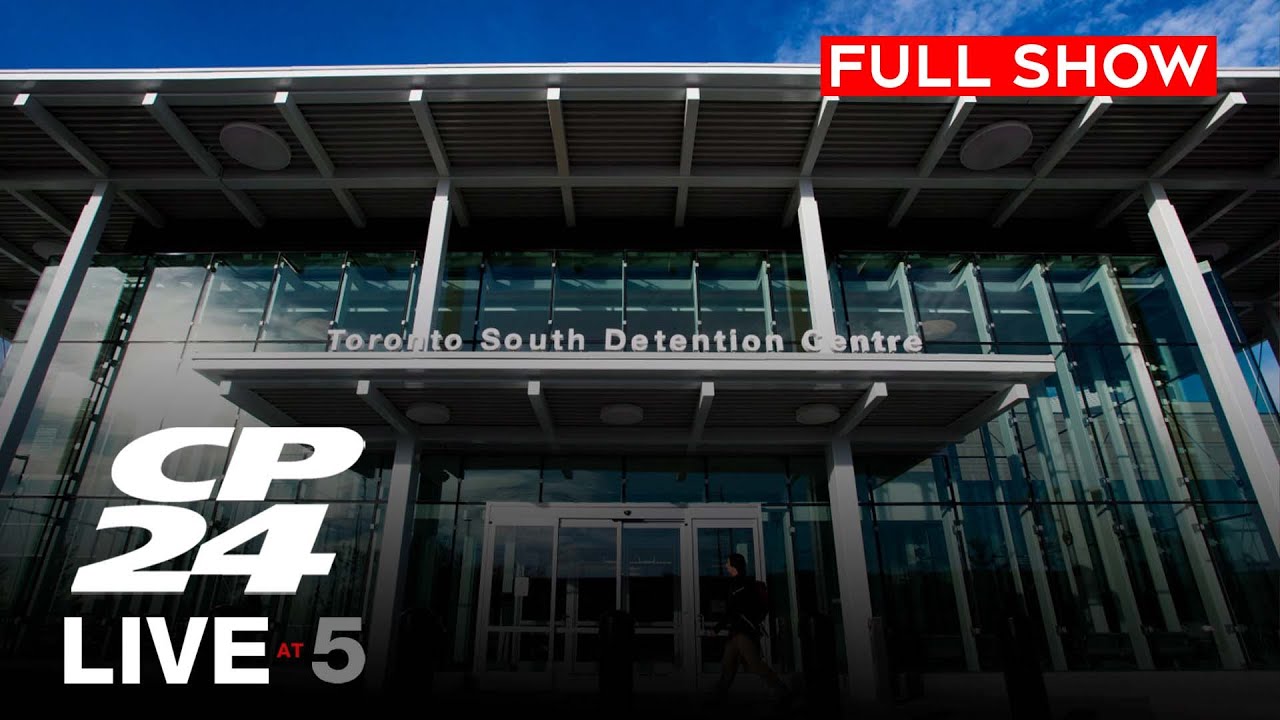
Toronto police are currently engaged in an extensive manhunt following the escape of an inmate from the Toronto South Detention Center. The situation unfolded just before midnight when the individual managed to bypass the facility’s security protocols by impersonating another inmate on the verge of release. This remarkable breach has left law enforcement scrambling and raised serious questions about the adequacy of security measures in correctional institutions.
The Escape
The inmate, whose identity has been confirmed as Steven Alexander Guzman Maroquin, 32, successfully exited the jail by posing as another prisoner. During this impersonation, he was fitted with an ankle monitoring device, which was later found abandoned at a nearby gas station, effectively providing authorities with a starting point for their search. The police have warned the public to be on high alert, as Guzman is considered dangerous. They are urging anyone with information about his whereabouts to contact the authorities immediately.
Crime analyst Steve Ryan shed light on the precarious nature of working in correctional facilities, citing the phrase "Murphy’s Law," which posits that if something can go wrong, it will. This escape serves as a stark illustration of the vulnerabilities that exist within the correctional system, prompting an investigation aimed at understanding how such a significant lapse occurred.
The Broader Context
This event is particularly troubling in the context of ongoing discussions about public safety and law enforcement efficiency. The escape raises critical questions not merely about Guzman’s actions but also about the systemic flaws that allowed him to exploit the situation. Such vulnerabilities could have broader implications for public safety, affecting community trust in law enforcement and correctional facilities.
Authorities have been proactive in their response; they aim to gather as much information as possible and have made Guzman’s image available to the public for identification. Community involvement is crucial in such situations, and police are counting on tips from residents who may recognize him.
Weather Conditions Lead to Cleanup Operations in Toronto
Simultaneously, residents in Toronto are grappling with the aftermath of a record-breaking snowstorm. The city has mobilized dump trucks and crews to tackle the significant snowfall, shifting operations from mere plowing to snow removal in a coordinated effort to restore normalcy. Mayor Olivia Chow announced the city’s comprehensive cleanup strategy, emphasizing the importance of safety for both drivers and pedestrians. Snow removal teams are working tirelessly to clear major roads and public spaces, but challenges remain, especially with residential streets and sidewalks where snow accumulation has hindered mobility.
These conditions have prompted disability advocates to call for enhanced accessibility measures during winter weather events. The advocacy group Disability Without Poverty has highlighted the necessity for municipalities to register addresses of individuals with disabilities to ensure they receive adequate support during snow-clearing operations. This initiative underscores the need for more inclusive planning by municipal authorities as they respond to severe weather.
Upcoming Transit Developments
Meanwhile, Toronto commuters are eagerly awaiting the potential launch of the Eglinton Crosstown Light Rail Transit (LRT), rumored to open on February 8. The transit line has faced numerous delays since construction began in 2011, and while excitement buzzes among local residents, many are skeptical. The news has stirred conversations about the impact the new LRT line will have on traffic congestion and local businesses.
Despite optimism, key officials have tempered expectations by indicating the transit line may not commence with full operational hours initially. Adjustments to service schedules are likely as the transit authority seeks to evaluate systems and gather user feedback. The LRT’s phased opening could finally provide the long-standing promise of improved transit options for residents, potentially easing the traffic gridlock that plagues the area.
Conclusion
As authorities intensify their search for the escaped inmate, the citizens of Toronto grapple with the dual challenges of inclement weather and the prospect of transforming public transportation. Both situations reflect a city’s resilience and the need for comprehensive strategies that prioritize safety, accessibility, and improved infrastructure. The outcomes of these events will undoubtedly shape the narrative for law enforcement, public safety, and community relations in the moving forward.