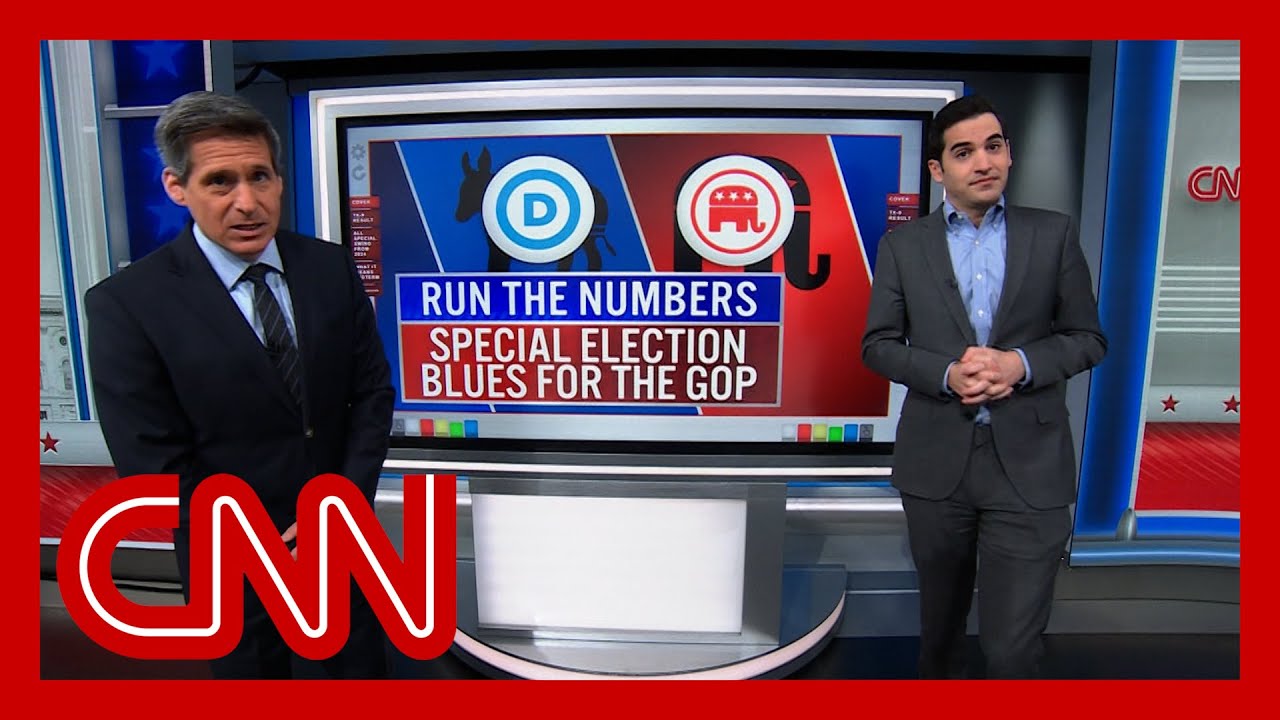
The political landscape in the United States is shifting, igniting concerns among Republicans as they approach the crucial 2026 midterm elections. Florida Governor Ron DeSantis recently captured the sentiment among party leaders when he tweeted about the unpredictability of special elections: “Special elections are quirky and not necessarily projectable re a general election.” However, the particular scenario unfolding in Texas underscores the gravitas of the situation.
This week, a special election for the Texas 9 state senate seat revealed astonishing results. In an area that Donald Trump had won by 17 points in 2024, the Democratic candidate triumphed by 14 points—a staggering 31-point swing. This shift cannot simply be chalked up to the ephemeral nature of special elections; it demands rigorous scrutiny. Congressman Pete Sessions, a Texas Republican, articulated concern over the results, remarking that no Democrat should ever be competitive in North Texas. His attempts to downplay the situation by attributing implications to an ice storm suggest a disconnect from the larger narrative: ignoring these trends could imperil Republican prospects in the coming elections.
The implications of this swing extend beyond a single race. Analysis from CNN’s chief data analyst, Harry Enten, shows a worrying trend for Republicans. In numerous special elections, Democrats have consistently outperformed their previous election benchmarks, recording an average improvement of 12 points in the latest round of state special elections compared to Biden’s performance in 2024. This trend mirrors outcomes from past cycles, notably the 2017-2018 midterm elections which resulted in substantial Democratic gains, including a net acquisition of 40 seats.
Historically, special election outcomes have foreshadowed midterm results. A retrospective analysis reveals that in the last five cycles, the party that fared better in special elections went on to win control of the House of Representatives. Brace for the upcoming political battles, as parties assess their messages and strategies in response to these developments.
Democratic Congressman Adam Smith elaborated on how these results resonate with voters disillusioned by current policies. He criticized Trump’s presidency, noting that the backlash against healthcare cuts and economic tariffs has galvanized public opposition. Likewise, he emphasized that the Democratic Party is gaining traction with effective messaging and leadership, particularly evident during crises like government shutdowns. Smith’s assessment suggests a wave of discontent among voters who view the Republican agenda as out of touch with mainstream priorities.
Notably, Texas demonstrated an unexpected alignment, as Democrats secured additional wins in both state and congressional elections, further narrowing the Republican majority. With a razor-thin majority, the stakes for the GOP have never been higher. The defeat in Texas 9 was emblematic of broader dissatisfaction, and Republicans are increasingly apprehensive about maintaining control.
Despite Trump’s recent comments acknowledging the surprising electoral outcomes, speculation grows regarding whether he will invest the necessary energy and focus into upcoming midterm campaigns. His attention appears divided, raising concerns about the effectiveness with which he might rally support for GOP candidates. Reports indicate that some Republicans are calling this a wake-up call, highlighting a critical need for the party to realign with voter sentiments.
In summary, the outcomes in Texas prompt significant reflection within the Republican Party. Navigating the stormy waters leading to the 2026 midterms requires an understanding of pressing concerns among voters, as well as strategic re-evaluation. The data and sentiment emerging from recent elections indicate that Republicans may need to recalibrate their approach if they wish to retain relevancy and power come November. The stakes are undeniably high, as party leadership confronts the formidable challenge of recapturing the electorate’s trust and loyalty.