Venezuela Faces Crisis After Catastrophic Earthquakes
On a seemingly ordinary evening, Venezuela was struck by disaster as two powerful earthquakes registered magnitudes of 7.2 and 7.5, respectively. The first quake hit near San Felipe, approximately 125 miles west of Caracas, at around 6:00 p.m. local time. It was quickly followed by a stronger tremor, leading to chaos throughout the nation. As of this moment, the toll stands at a heartbreaking 164 lives lost, with nearly a thousand individuals injured.
Interim President Deli Rodriguez acted swiftly, declaring a state of emergency in response to the seismic shocks. The two earthquakes, which are the most powerful to shake Venezuela in over a century, arrive at a time when the country is already grappling with severe economic challenges and ongoing political turmoil. These natural disasters have compounded the suffering, thrusting both ordinary citizens and governmental officials into a dire state of urgency.
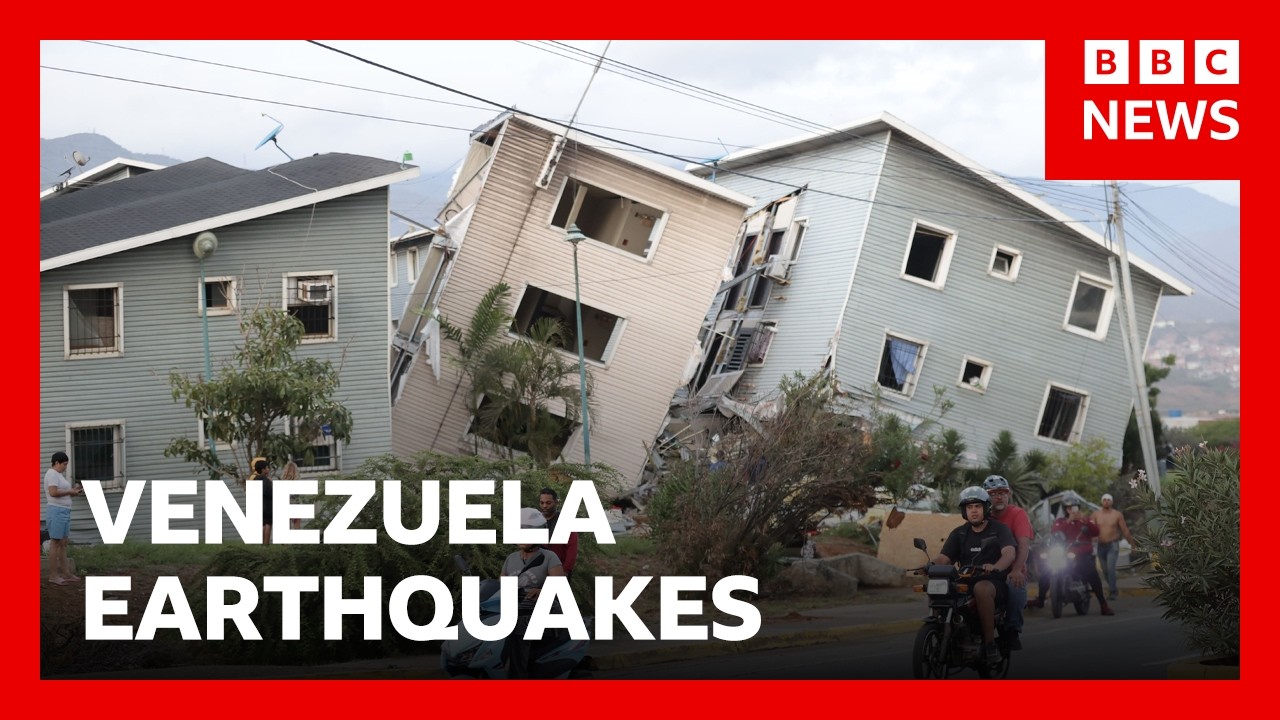
Live reports have illustrated the terrifying aftermath of the quakes. Footage shows devastated scenes across the country, particularly in urban settlements where buildings have collapsed like houses of cards. In Caracas, emergency services and volunteers are actively engaged in rescue missions, with fears growing that the death toll could rise significantly as search efforts continue, notably in states like Laguara, which experienced extensive structural damage.
The Simon Bolivar International Airport, Venezuela’s main air transit hub, has been rendered inoperable due to the ceiling collapse and significant damage sustained during the quake. This closure poses a serious obstacle for incoming aid and complicates the humanitarian response greatly.
In one of the many distressing accounts, a man captured video as he fled his high-rise apartment, witnessing the frightening extent of destruction that enveloped his community. His story is but one of many shared across social media platforms, where individuals are desperately seeking loved ones and endeavoring to assist others caught beneath the rubble.
One particularly harrowing video, shared widely, showed the mass panic among travelers at the international airport. Passengers who thought they were merely waiting for their flights found themselves scrambling for safety as their world literally shook beneath them. The fear was palpable; voices filled with terror echoed through the terminal as the ground vibrated violently.
As search and rescue operations unfolded, Gustavo Kando-Alex, a journalist on the scene, reported that many individuals remain unaccounted for and that the fear of aftershocks continues to plague survivors. He described how many people were forced to seek refuge outdoors, either due to damaged structures or an instinctive drive to evade further tremors. The evening that the quakes struck was a national holiday, meaning many were at home, making the urgency of the situation even more acute.
Compounding the challenges is Venezuela’s already fragile state, emerging from years of economic decline characterized by shortages of basic necessities. Efforts to coordinate a substantial and effective rescue operation are hindered by systemic inefficiencies, with reports indicating a lack of heavy machinery and official aid at the time of need.
International communities are beginning to react. Offers of assistance have poured in from neighboring countries, while the United States has also pledged its support. President Trump expressed solidarity and vowed to mobilize federal agencies to assist in the response efforts. Such proclamations are made against a backdrop of complex U.S.-Venezuela relations, yet present a window for collaboration during a time of crisis.
The potential for this disaster to escalate into a broader humanitarian crisis is undeniable. Organizations on the ground are bracing for what may unfold in the coming days, with many fearful that the figures—which are already stark—could escalate dramatically as rescue efforts continue.
As nightfall approached on the day of the earthquake, a somber atmosphere enveloped the nation. Families are left hoping for news of loved ones, while many still remain trapped under debris. The capital of Caracas and the state of Laguara stand as testaments to the catastrophe, and as the world watches, the call for urgent support grows louder.
Moving forward, it will be essential for international aid agencies, along with the Venezuelan government, to unite in addressing immediate needs while strategizing long-term recovery. The road ahead will be fraught with challenges, but the resilience of the Venezuelan spirit remains a beacon of hope amidst the ruins.