Analyzing U.S. Military Presence in the Middle East: Strategies and Implications
In recent discussions about U.S. military deployments in the Middle East, it has become clear that this represents a significant strategic buildup reminiscent of previous conflicts. The current configuration of forces evokes comparisons to both the 2003 invasion of Iraq and the 1990 Persian Gulf War. The multi-layered approach to military force has profound implications, not only for regional stability but also for diplomatic negotiations regarding Iran.
At the outermost periphery of this military ring, we find the strategic bombers, capable of striking from bases in the United States or from nearby installations. This capability provides a crucial deterrent against potential threats, operating effectively at significant distances. Moving inward, two aircraft carriers are positioned strategically—one in the northern Indian Ocean and the other nearing the coast of Israel. These carriers, each equipped with approximately 80 combat aircraft, including state-of-the-art F-35s and F/A-18 Hornets, serve as formidable power projection tools.
Further capabilities are present within this military framework, including the launching of Tomahawk missiles, deployment of drones, and sophisticated cyber warfare operations. Land-based aircraft augment these efforts, creating a robust aerial presence that enhances U.S. military posture in the region. However, at the core of this military strategy lies the potential for direct confrontation, epitomized by the political climate surrounding Iran.
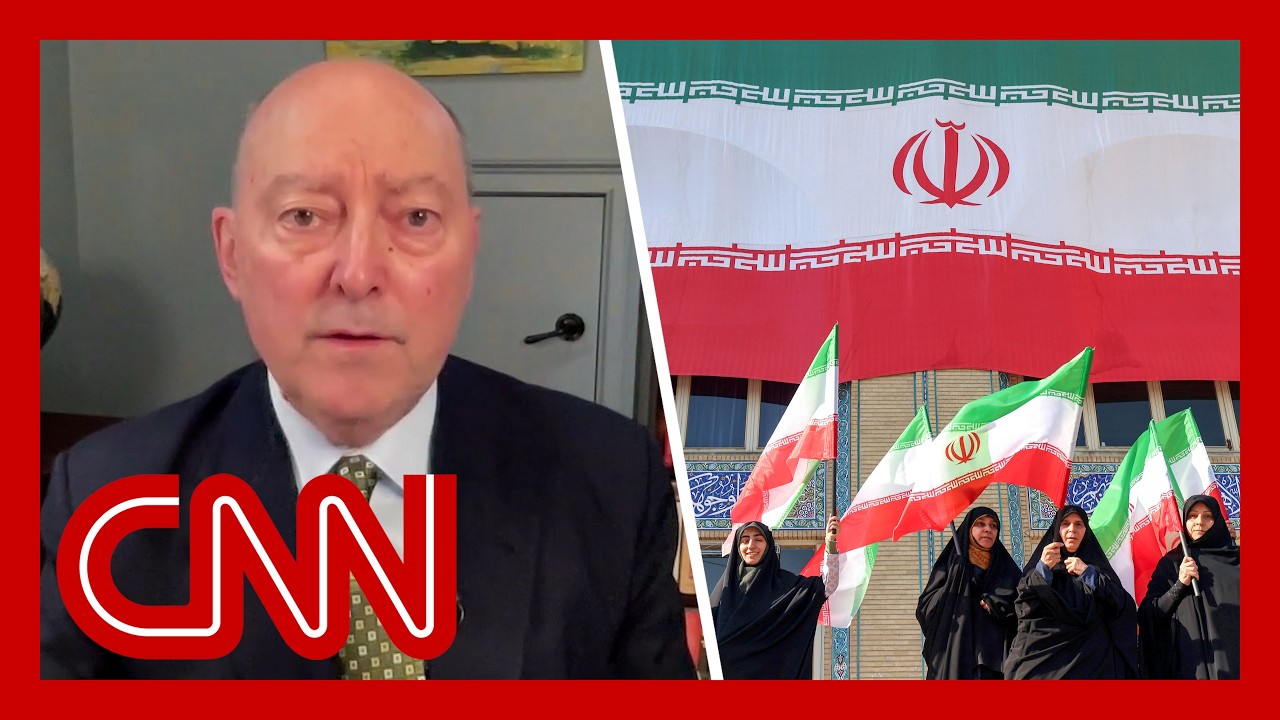
The complexities of the current geopolitical situation cannot be overlooked. Iran’s foreign minister has expressed optimism regarding ongoing nuclear negotiations, indicating a willingness to propose a new draft to the U.S. administration. However, skepticism abounds, especially considering the Islamic Republic’s historical resistance to negotiations, particularly regarding uranium enrichment. While the Iranian foreign minister hints at ongoing discussions, the reality is that key decisions rest with the Supreme Leader, Ayatollah Khamenei. His recent public statements signal a pivot towards a more defiant stance, suggesting that the chance of meaningful negotiations may be diminishing.
Compounding these challenges is the domestic political landscape in the U.S. The recent Supreme Court ruling against presidential tariffs may compel the Trump administration to assert its military authority as a means of demonstrating strength in international negotiations. Such a military buildup would raise significant legal and ethical questions, particularly considering the absence of congressional approval for any action against Iran—an act that many analysts would categorize as a potential declaration of war.
For its part, Iran appears to be modernizing and hardening its military capabilities, including its ballistic missile program, which forms a critical component of its deterrent strategy. This military preparation signals that both sides may be preparing for possible escalation, despite overtures of interest in negotiation. Satellite imagery reveals that Iran is fortifying potential nuclear sites, indicating a readiness to respond to direct military threats.
In summary, the current concentration of U.S. military forces in the Middle East has significant ramifications. Strategically, this military leveraging could alter the balance of power, compelling Iran to reconsider its approach to negotiations. However, the rhetoric and actions from both nations reveal a complex interplay of diplomacy and military readiness that raises the stakes for all parties involved.
As history has shown, military might does not always translate into diplomatic success. The interplay between the strategic use of power and the necessity for genuine negotiation remains critical in this evolving conflict. Ensuring that military actions are matched by diplomatic strategies may ultimately shape the future of U.S.-Iran relations and influence broader regional stability. The coming weeks will be pivotal as both nations navigate this treacherous landscape, balancing the delicate art of negotiation against the backdrop of military readiness.