The Turmoil at CBS News: A Closer Look at Scott Pelley’s Firing and Its Implications
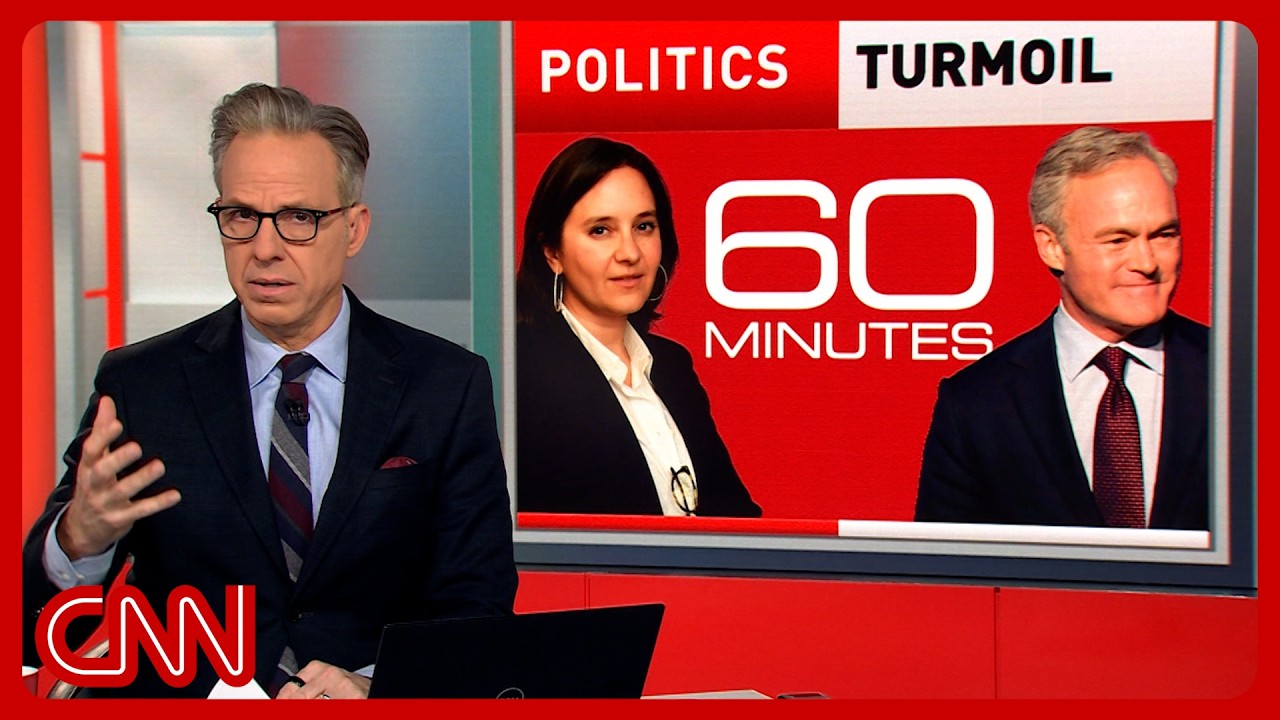
In a stunning turn of events, Scott Pelley, a veteran journalist and long-time anchor of CBS’s 60 Minutes, was dismissed amid allegations of political interference from the network’s new ownership under Paramount. Pelley claims that management pressured him to weave falsehoods and biases into politically sensitive stories, an assertion that he firmly resisted. Following his firing, he articulated his belief that the new management aims to curry favor with the Trump administration, a claim that, if true, raises serious concerns about the integrity of journalistic practices at CBS.
In a response to these allegations, a CBS spokesperson denied any political interference, insisting that the relationship between management and correspondents is standard for any newsroom. This prompted a heated editorial meeting the following morning, where Barry Weiss, a key figure in the management overhaul, acknowledged that the foundation of trust at CBS had eroded. She expressed disappointment that efforts to reconcile with Pelley had failed, a claim Pelley quickly refuted, stating that no genuine attempts toward resolution were ever proposed.
Weiss’s remarks came atop a broader narrative about the media’s evolution in a rapidly changing landscape. The challenges faced by traditional news outlets—namely, declining audiences due to the rise of social media, streaming platforms, and a myriad of information sources—have prompted significant re-evaluations. Many argue that legacy media must innovate to reclaim relevance and address their credibility deficits.
The internal strife at CBS encapsulates critical questions about the role of media in American political discourse. Pelley, along with others who share his sentiments, contend that the recent management changes appear to reflect a strategy to align with political forces, particularly those favored by Trump. This perspective finds particular resonance as the media landscape continues to consolidate, with giant corporations striving for regulatory goodwill while paying homage to influential political figures.
Advocates for the overhaul, like Weiss and her boss David Ellison, insist that their motivations are rooted in a desire to enhance journalistic integrity and regain public trust. They argue that 60 Minutes—an institution deeply entrenched in American journalism—must evolve to appeal to a wide swath of viewers, particularly those who identify as politically moderate. Yet, defenders of 60 Minutes see this transformation as potentially detrimental, warning that eliminating the show’s longstanding attributes could alienate its loyal audience.
The rift appears to stem from a fundamental clash of ideologies. Pelley and his supporters view the essence of 60 Minutes as anchored in rigorous, fearless journalism that seeks to expose truths, irrespective of political affiliations. In contrast, the new management’s approach seems to suggest an appetite for appealing to broader demographics—potentially at the cost of journalistic standards.
Moreover, the implications of Pelley’s dismissal extend beyond CBS. They signify a notable shift within the media industry as a whole, raising alarms over corporate influence on editorial choices in an age increasingly fraught with misinformation and partisan narratives. Veteran journalist Scott MacFarlane emphasizes the unique stature of 60 Minutes as a flagship news entity capable of navigating the noise and delivering compelling reporting. He warns that damaging its brand could have far-reaching consequences for the industry.
The crisis facing CBS News, particularly 60 Minutes, may well be indicative of a more significant existential threat to journalism itself. Chris Whipple, a former producer of 60 Minutes, notes that the vacuum created by management changes risks undermining the show’s credibility in the eyes of the public—a precarious position indeed.
As the dust settles from this upheaval, there lies a pressing need for media organizations to strike a delicate balance between evolving with the times and upholding the core principles of journalism. The confrontation between legacy media and emerging paradigms is far from resolved, and the actions of those in power today will likely shape the trajectory of journalism for years to come.