Magnitude 3.7 Earthquake Shakes Southern Ontario: Understanding the Event
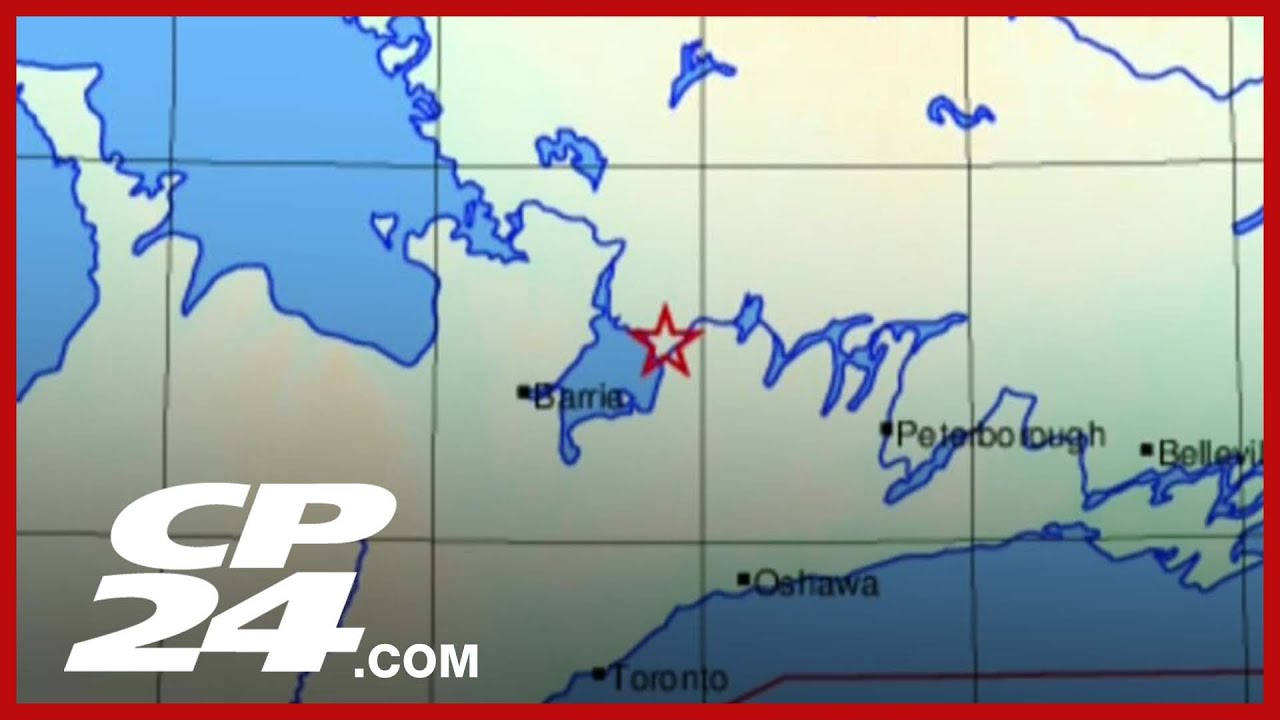
Late last night, southern Ontario experienced a magnitude 3.7 earthquake. The tremor struck at precisely 10:59 p.m. and was centered approximately 23 kilometers southeast of Aurelia, situated at a depth of 5 kilometers. The seismic event elicited reports from over 2,200 individuals across a wide geographic area, stretching from Kitchener in the west to Belleville in the east, and down to Niagara Falls in the south. Fortunately, there have been no immediate reports of damage or injuries.
In light of this event, CTV’s science and technology expert, Dan Riskin, offered his insights. He noted that while last night’s earthquake may seem unusual, the region has a history of seismic activity, albeit far less violent than more notorious fault lines like California’s San Andreas. Southern Ontario is affected by two primary factors: the movement of the North American tectonic plate and the geological repercussions of glacial activity that occurred millennia ago.
The legacy of ancient glaciers is particularly significant. Around 10,000 years ago, massive ice sheets covered much of the area, exerting tremendous pressure on the ground. As the glaciers receded, this pressure was alleviated, allowing the Earth’s crust to rebound slowly. This process, though gradual, creates stresses that can occasionally lead to small earthquakes.
Riskin explained that the seismic activity we experience today can often be attributed to this delayed rebound effect. He stated, "A big part of what causes earthquakes in this part of the world is just the continued rebound of the plate with that weight lifted off." These small but detectable quakes serve as reminders of the Earth’s dynamic nature, linking past geological phenomena to present-day experiences.
The levels of public awareness regarding seismic events have increased significantly, thanks in large part to citizen science initiatives. Earthquakes Canada offers a “Did You Feel It?” platform that encourages residents to report their experiences. This interactive approach helps scientists gather crucial data that enhances our understanding of seismic activity. Riskin noted that many individuals could feel the tremor and immediately sought information by visiting the U.S. Geological Survey (USGS) website.
The magnitude of the earthquake drew varying reports—a 4.1 magnitude from the USGS compared to Canada’s assessment of 3.7. Riskin indicated that this discrepancy is not uncommon in seismic reporting. The difference may stem from how magnitude is calculated below the Earth’s surface versus what is perceived at the surface level. "It may be that it was a 4.1 at the epicenter and a 3.7 on the surface," he inferred, emphasizing the nuances in seismic measurement that can lead to different interpretations.
While the shaking was alarming to some, another intriguing possibility was raised: Could the recent earthquake be linked to what is known as a "frost quake"? This phenomenon can occur due to rapid temperature changes affecting the ground. Riskin noted that while the earthquake occurred 11 kilometers below the surface—which suggests limited immediate correlation with surface temperatures—the melting glaciers from thousands of years ago could play a role in weakening the geological structure.
As the region continues to shake off the effects of long-gone ice sheets, it’s essential for residents to remain vigilant. Historically, after experiencing one earthquake, regions may encounter additional seismic activities. Riskin advised that if residents feel any subsequent tremors, they should consult reputable geological resources for updates and advice.
In conclusion, while last night’s earthquake may not have caused significant disruption, it serves as an important reminder of the Earth’s constantly changing landscape. As scientists study these events, both amateur and professional participants can contribute valuable information that enhances our collective understanding of geology. The patterns emerging from these minor tremors may well illuminate the complex relationship between our planet’s history and the natural phenomena we experience today.