The Rising Tide of Oil Prices: Analyzing Current Trends and Future Implications
In recent developments, President Trump declared the memorandum of understanding (MOU) with Iran effectively null and void. This announcement immediately sent tremors through the oil markets, which were already reacting to escalating tensions following U.S. strikes against Iranian interests. The consequence of these events has been a significant surge in oil prices, prompting discussions among analysts regarding the broader implications for the global economy.
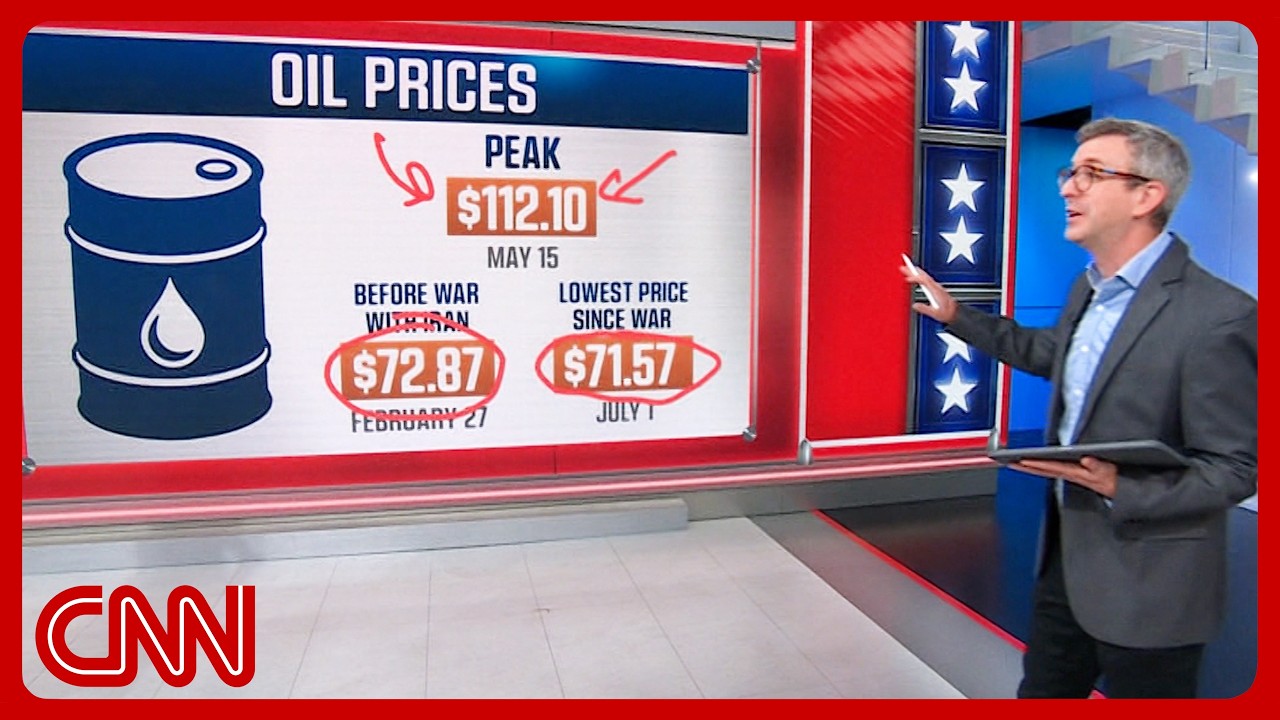
As of now, the price of Brent crude oil stands at approximately $78 per barrel, a stark increase from $70 just weeks prior. This shift signals an urgent response to the geopolitical landscape, where investor apprehension regarding stability in the Middle East remains high. Oil prices have not soared to the extreme levels seen in prior crises—around $100 per barrel—but the current trajectory raises concerns about whether we might soon see those levels again.
The public is likely to feel the impact of rising oil prices at the gas pump, an immediate concern for consumers. While oil prices fluctuate rapidly, gasoline prices tend to adjust more slowly, a phenomenon often described as "rockets and feathers." This means that while crude oil prices rise swiftly, it will take time for gas prices to reflect these changes. If oil continues to climb, consumers may see prices at the pump remain elevated for the foreseeable future.
Iran, in the interim, has managed to extract around 50 million barrels of oil from the Strait of Hormuz, taking advantage of a brief window before geopolitical tensions escalated. This was essential funding for the regime and showcases Iran’s reliance on these exports. As the U.S. reimposes sanctions on Iranian oil, the sustainability of Iran’s operations remains questionable, adding another layer of uncertainty to global oil supply.
Another troubling statistic is the decline in the United States’ emergency stockpiles of oil. According to reports, these reserves have dropped by 23% since the onset of the conflict, diminishing the country’s safety net in case of supply disruptions. A potential hurricane or further escalation in the Middle East could exacerbate this issue, leaving the U.S. vulnerable during a time of heightened market instability.
Amidst these concerns, commercial stockpiles also appear precarious. The U.S. now holds merely 19.7 million barrels in its strategic reserves, significantly impacting the country’s operational capabilities. Analysts liken this situation to trying to extract the last few drops from a nearly empty coffee urn—a precarious analogy that underscores the urgency of the current market conditions.
The reaction from analysts has been swift. David Goldman, a senior business reporter, notes that gasoline futures surged by 6% in one day—the largest increase in three months—demonstrating how quickly the markets adjust to geopolitical tensions. Rory Johnston, founder of Commodity Context, elaborates that the recent market response is indicative of a broader economic instability, with expectations now misaligned against realities defined by renewed hostilities.
The oil insurance market is also feeling the strain. The war has caused premiums to skyrocket, from about 0.25% to more than 5% of a ship’s value at its peak—reflecting increased risks associated with transit through the Strait of Hormuz. Although these costs may be offset by the profits associated with oil transport, the dynamic remains precarious as shipping rates remain elevated.
Analysts emphasize the importance of U.S. oil production levels amid these changes. With the U.S. achieving record production numbers in recent years, it finds itself positioned as a leading energy supplier. The Oil boom, attributed significantly to policies enacted during Trump’s administration, has allowed for greater resilience in the face of international crises.
In conclusion, the intersection of geopolitical conflict, fluctuating oil prices, and evolving market dynamics paints a complex picture for the future. The current volatility demands careful monitoring, as rising prices may not just affect consumers at the pump, but could also reverberate through the broader economy. The landscape remains fraught with uncertainty, and stakeholders must remain vigilant as these developments unfold.