The Implications of Trump’s Provocative Truth Social Post
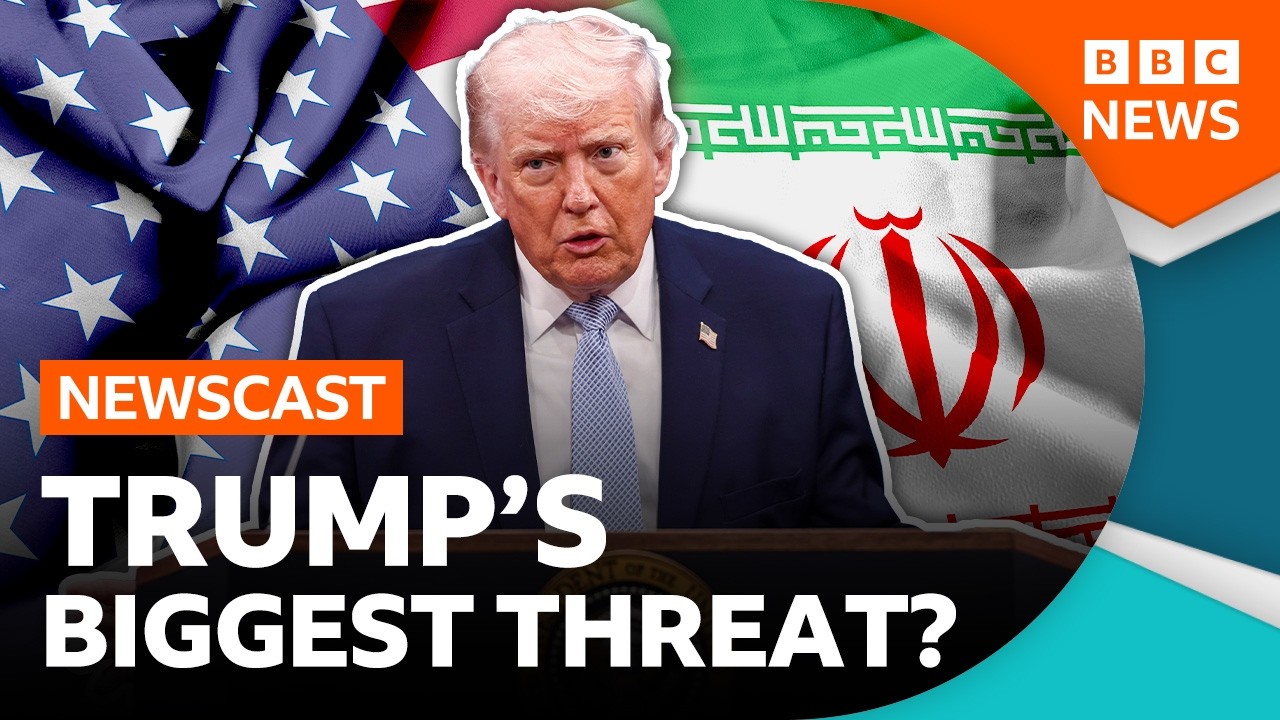
On April 7th, Donald Trump shared a chilling message on Truth Social that reverberated internationally. In his post, he ominously declared, "A whole civilization will die tonight, never to be brought back again," highlighting a critical juncture in U.S.-Iran relations. The rhetoric, incendiary and fraught, raises questions about its implications both for diplomacy and for global stability.
Trump’s post comes at a time of heightened tensions with Iran, particularly as the U.S. administration demands that Tehran cease its retaliatory actions and open critical shipping routes like the Strait of Hormuz. The president’s language hints at a dramatic pivot; he suggested that a "complete and total regime change" in Iran could lead to a "revolutionarily wonderful" outcome. This combination of apocalyptic warning and optimistic vision reflects Trump’s unpredictable approach to foreign policy—one that oscillates between threats and potential diplomatic openings.
During discussions about the ramifications of Trump’s rhetoric, analysts have pointed out the stark divide between U.S. and Iranian perceptions of power and negotiation. As BBC’s diplomatic correspondent, James Landale, noted, there’s a palpable disconnect; while U.S. officials believe intimidation might yield results, Iran’s historical narrative of resilience and resistance complicates any hopes for yielding. Thus, Trump’s post is not merely a reflection of his strategic calculus but also an illustration of the deep-rooted misunderstandings between the two nations.
The timing of Trump’s comments creates a storm of speculation and concern in Washington. The ongoing military operations in the region, particularly concerning downed aircraft and the firefights that ensued, underscore the heightened stakes. However, domestic political reactions to Trump’s post have been significant. Some Democrats are reportedly contemplating invoking the 25th Amendment—a move to remove Trump from office—fueled by his ambiguous yet alarming statements. The likelihood of such a drastic measure remains questionable given his robust support within Congress.
Adding to this chaotic backdrop, the recent US military actions against Iranian assets further intensify the atmosphere. Discussions on whether these strategies comply with international law, particularly attacks on civilian infrastructure, are ongoing. Critics argue that attacking civilian targets would constitute a breach of international norms, highlighting the precarious legality of Trump’s aggressive rhetoric. However, the evolving military situation necessitates a careful evaluation of what constitutes a legitimate target.
Moreover, as military leadership shifts within the U.S., casting doubt on institutional continuity and strategy, former diplomats express concerns about the implications of leadership changes on military effectiveness in dealing with Iran. Reports of dismissals among top generals, including the Army Chief of Staff, reflect a chaotic military hierarchy that further complicates operations in such a volatile theater.
The global audience grappling with Trump’s hyperbolic language can find itself oscillating between disbelief and concern. Many question the rationality of threatening an entire civilization over geopolitical disputes. While some analysts argue that such comments may be typical of Trump’s braggadocio style, others caution that the real-world implications could be catastrophic if misunderstood by Iran or its allies.
The unfolding events in Washington, coupled with discussions about possible diplomatic engagements, leave observers wondering about the ultimate trajectory of U.S.-Iran relations. Can a nation built on a longstanding tradition of resilience truly be swayed by the rhetoric of a contentious presidency? Critics insist that genuine diplomacy demands understanding and respect, not threats of annihilation.
As the clock ticks down to the deadline Trump has issued, the world watches with trepidation. An escalation in language and potential military engagements could lead to a situation that no one can control. Trump’s masterful unpredictability is a double-edged sword; it could pave the way for innovative diplomacy or incite further chaos. Ultimately, whether Trump can navigate these turbulent waters remains an open question, one that carries immense stakes not only for relations with Iran but for global peace and security as well.