US Military Reinforces Presence in the Middle East Amid Ongoing Tensions
In a notable escalation of military involvement in the Middle East, the United States is dispatching thousands of additional Marines and sailors to the region. This decision comes just a day after President Trump asserted he was not deploying troops, an assertion that many consider contradicted by current events. The timeline of these deployments aligns with the president’s remarks on social media, where he declared that the fight against a nuclear-capable Iran has been "militarily won."
The 11th Marine Expeditionary Unit, based on the West Coast, is one of two units heading to the Middle East. This follows the earlier deployment of the 31st Marine Expeditionary Unit from the Pacific. As it stands, the recent deployments are expected to enhance the United States’ military capabilities in a region rife with tension and uncertainty.
These Marine units, often referred to as the "Swiss Army knives" of the military, offer versatile support options, including aviation and logistics. Their deployment raises significant questions about the future engagement strategy of U.S. forces in the area. Will they remain in the region for a prolonged period? Officials are grappling with this uncertainty, with Secretary of Defense Pete Hegseth suggesting a timeframe of three to six weeks for the ongoing conflict. These varying estimates only compound the volatility of the situation.
As the conflict progresses toward its fourth week, reports suggest that the Strait of Hormuz, a critical maritime chokepoint, remains effectively closed. Recent events, including an emergency landing of a U.S. F-35 reportedly hit by Iranian fire, underscore the persistent risks faced by U.S. forces. The introduction of additional Marine units may serve multiple purposes, from bolstering rapid response capabilities to offering resources for potential ground operations. Speculation persists about whether these options might include direct interventions in Iran, particularly focused on sensitive sites housing enriched uranium.
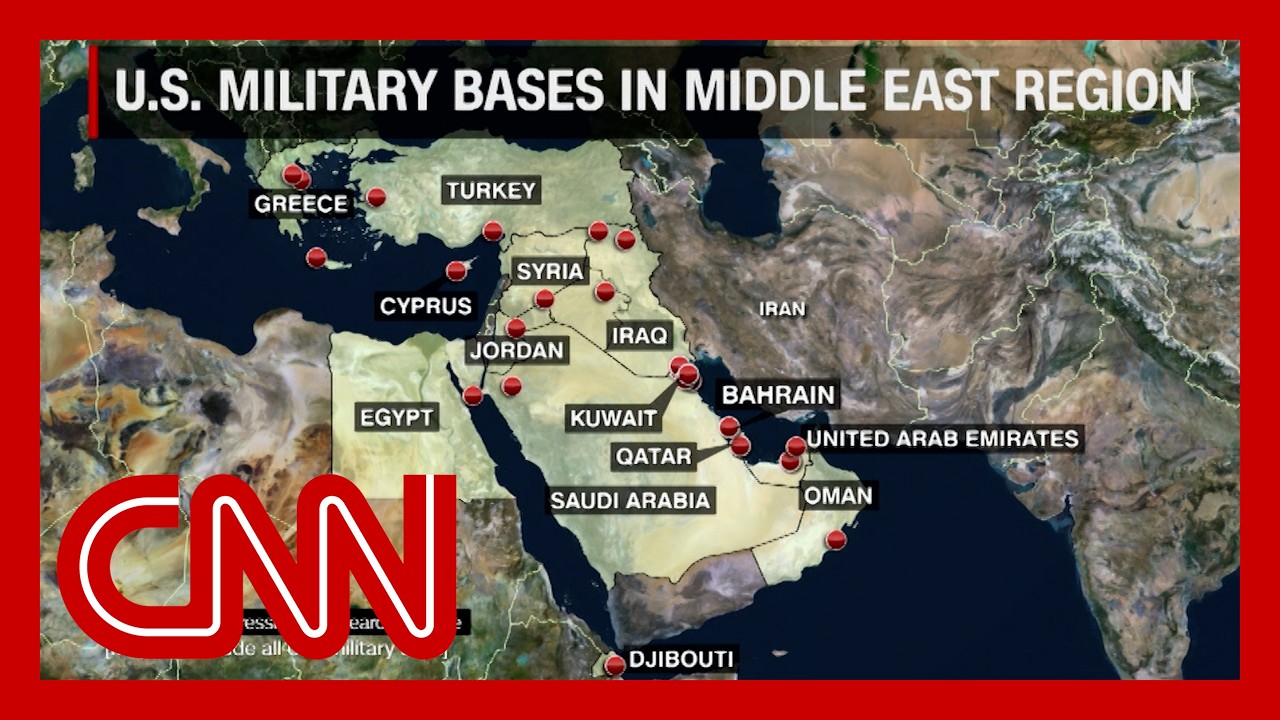
Political observers are scrutinizing the administration’s intentions as they navigate the complexities of military policy and domestic pressure. The recent deployment of Marines adds to an estimated 50,000 American troops already stationed in the Middle East, highlighting the significant military presence in a strategically important area.
Furthermore, reports indicate the Trump administration’s contemplation of securing key sites, such as Kar Island, which could further pressure the Iranian regime. These military options, however, are fraught with complexity and risk. Engaging in any substantial operation within Iran presents myriad challenges, requiring careful calculations about resources, timing, and desired outcomes.
Concerns are also mounting regarding the administration’s proposal for a supplemental $200 billion funding request to Congress. This anticipated funding aims not only to support ongoing operations but also to address expenditures incurred during the initial weeks of conflict, which have already cost approximately $20 billion. Critics are keen to see how the administration justifies this spending amid declarations of a hastily resolved conflict.
Congressional inquiries into the rationale behind renewed military spending underscore the growing urgency for clarity and accountability. With lawmakers on both sides of the aisle demanding a detailed explanation of objectives and timelines, it remains crucial for the administration to articulate a coherent strategy. There is speculation that this funding request may serve additional political agendas beyond immediate military needs.
In closing, the ongoing deployment of U.S. Marines and sailors to the Middle East signifies not just a reinforcement of military presence, but an indication of the complexities governing American foreign policy. As officials navigate the terrain of military engagement, the imperative to balance strategic needs with domestic pressures looms large. Understanding the implications of these developments will require careful scrutiny in the days and weeks ahead.