Prospects for Peace: Iran’s Diplomatic Moves in Pakistan
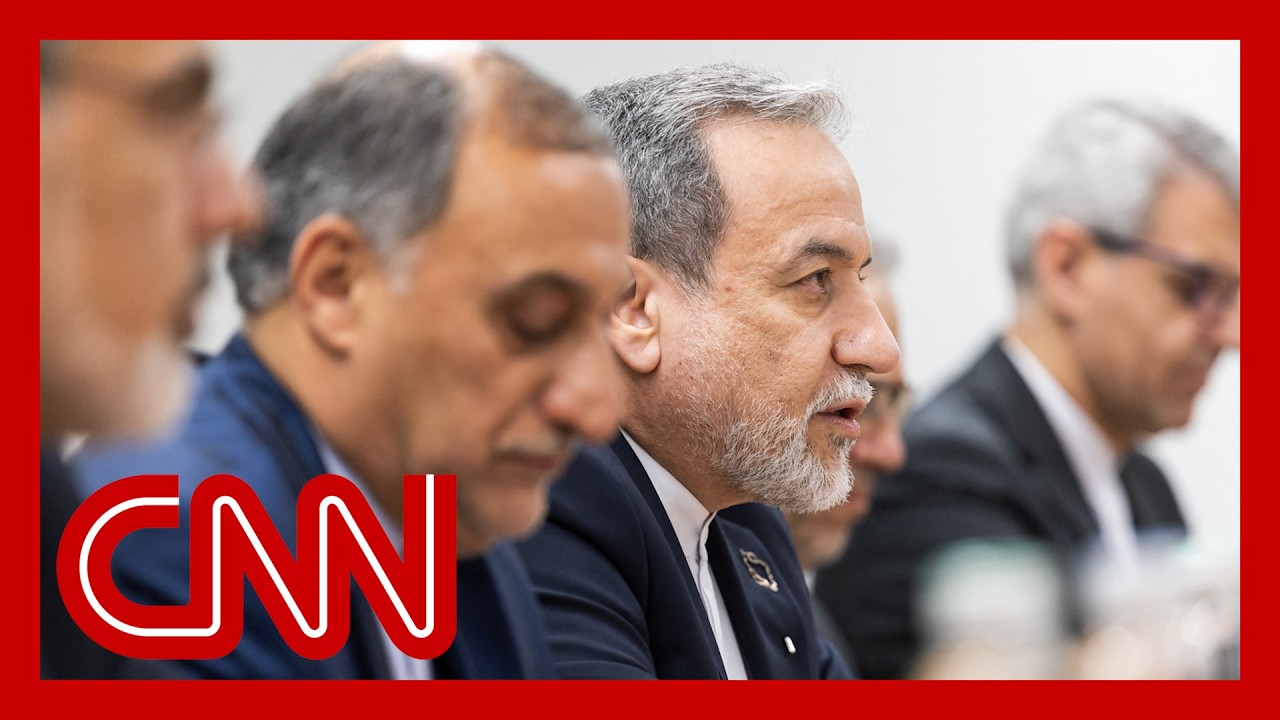
As tensions simmer in the Middle East, Iran is making a significant gesture by dispatching its Foreign Minister, Abbas Araghchi, to Pakistan for renewed diplomatic talks. This visit marks a pivotal second round of discussions aimed at easing strained relations with the United States. However, the specific role of the U.S. government in these negotiations remains ambiguous, following a previous round of talks that failed to establish a clear framework for dialogue.
Amid this backdrop, U.S. Defense Secretary Pete Hegseth emphasized the military’s resolve to maintain a blockade on Iranian ports, urging Tehran to seize the opportunity for a meaningful peace deal. The message is clear: the U.S. is prepared to sustain its current stance until Iran is ready to engage in negotiations that yield constructive outcomes.
From Washington, it is noteworthy that despite the U.S. administration’s stated aim to avoid dragging out talks, the geopolitical landscape remains fraught with complications. Officials express a desire for a swift resolution yet understand that diplomatic solutions often unfold slowly. What the U.S. administration seeks is an end to Iran’s nuclear ambitions, which have been a longstanding concern.
In the context of this evolving situation, CNN’s Delaney Treen shared insights regarding the status of talks and the potential attendance of U.S. representatives. The ongoing logistical preparations in Islamabad point to a possibility of more direct engagement, despite lingering uncertainties. The administration has made it evident that it does not wish to rush into an agreement, preferring instead to formulate a comprehensive plan that addresses all pertinent issues, from nuclear capabilities to economic sanctions.
However, diplomatic resolutions are rarely straightforward. Brett McGurk and David Sanger, CNN analysts with extensive experience in foreign affairs, echoed this sentiment during a recent discussion. They highlighted the delicate balancing act between negotiating terms and maintaining an open line of communication. Iran has historically been resistant to dialogue as long as the blockade remains in effect. Notably, this creates hurdles, given that genuine discussions require a degree of trust that has been historically absent between the two nations.
Furthermore, the internal politics of Iran may complicate its position in negotiations. Reports indicate that the Supreme Leader faces significant health challenges, leading to uncertainty regarding Iran’s decision-making processes. This shift potentially creates a less cohesive negotiating front, which can make it challenging for the Iranian leadership to commit to concrete agreements.
As discussions unfold, the question of enriched uranium emerges as a focal point. Iran’s stockpile of nuclear material has become a contentious issue, with the United States keen to limit its military capabilities. Sanger and McGurk point out that addressing Iran’s nuclear program is a complex task, fraught with the need for meticulous verification measures— a process that can be hindered by political instability within Iran.
Trust remains a significant obstacle. Communicating a willingness to engage while maintaining a critical stance toward Iran’s actions is crucial for the U.S. The unexpected twists in leadership dynamics may introduce new complexities that require agile responses from both negotiating teams. As the saying goes, the devil is in the details, and indeed, the specifics of these discussions will determine whether a genuine peace agreement can emerge.
Meanwhile, the international community watches with bated breath, recognizing the broader implications of a successful dialogue. The need for stability in oil shipping routes, costs affecting global markets, and civilian lives cannot be overstated. The collaborative efforts led by Pakistan in facilitating these talks underscore the importance of third-party mediation in fostering dialogue.
As both sides prepare for potential discussions, the path to peace is laden with intricate challenges. The window for negotiation is not only a chance for reconciliation; it is also an opportunity to reshape the geopolitical contours of the region. With the stakes so high, the diplomatic dance between Iran and the United States warrants close observation as the two countries navigate the complexities of negotiation. Ultimately, the success of these dialogues may set a precedent for future international relations, underscoring the enduring importance of diplomacy in a world rife with tension.