Citizen Vigilante: A Critical Examination of Elon Musk’s Latest Controversial Film
Elon Musk’s recent promotion of the film Citizen Vigilante has sparked a polarizing dialogue about its portrayal of violence in a shifting cultural landscape. Set against a dystopian backdrop, the film features Army Hammer as Michael Sanders, a vigilante confronting what it portrays as unchecked criminality amidst European migrant populations. Yet, as critics dissect its themes, the question arises: Is this film a necessary commentary on social justice, or merely an exploitative exercise in sensationalism?
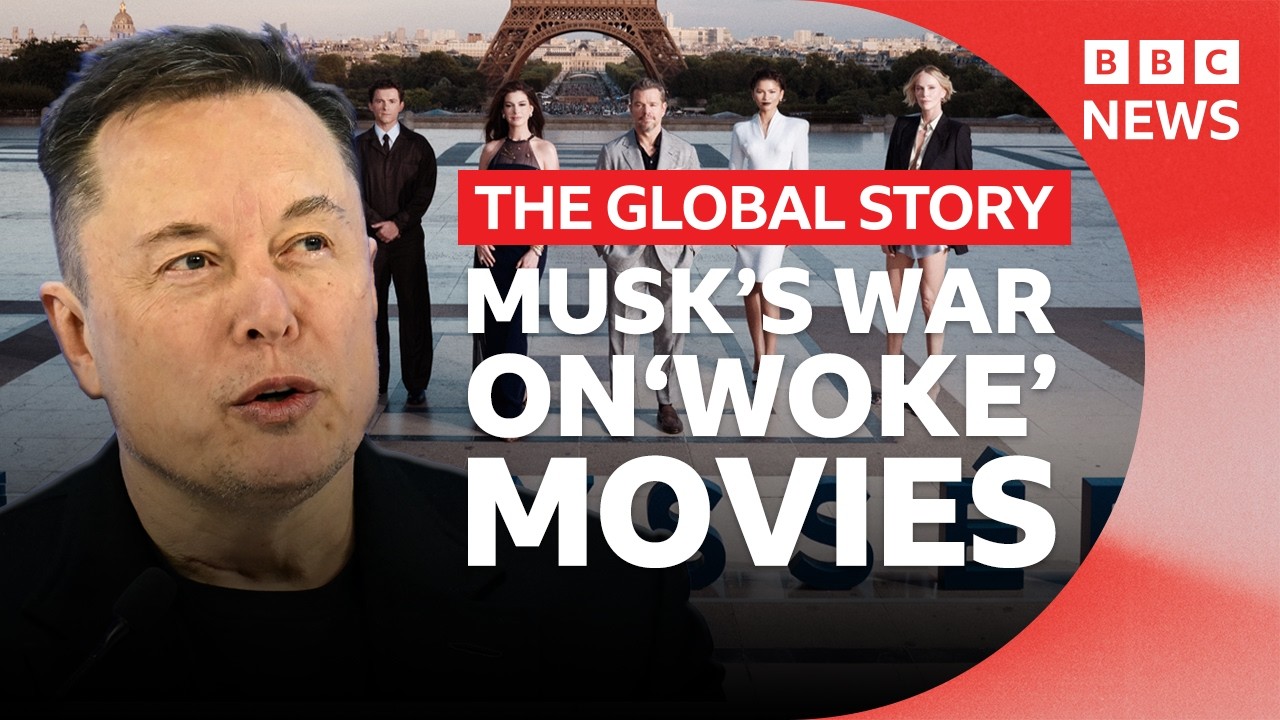
Musk, a figure often synonymous with controversy, has chosen to share the film freely on X (formerly Twitter). By doing so, he prompted discussions about what he sees as a growing “woke” culture in Hollywood. However, many on the left decry the film’s graphic depictions of vigilante justice, particularly its violent responses to European immigrants. Critics argue that the narrative promotes an extremist viewpoint rather than providing a nuanced discussion of immigration issues.
The premise of Citizen Vigilante is provocative. Hammer plays an ex-U.S. Army soldier who inherits a real estate empire in an unnamed European nation overrun by crime. The film positions him as the last bastion against lawlessness, with a narrative that escalates into retribution against not only criminals but also the families of migrants and law enforcement officials. This moral ambiguity complicates the viewer’s understanding of justice and vigilantism, leaving one to ponder the ethical implications of such portrayals.
Musk’s endorsement aligns closely with his public persona as a “free speech warrior.” He often engages with themes of media censorship, positioning himself against what he perceives as leftist narratives dominating popular culture. However, the association of Musk’s name with the film has raised alarm. Is this advocacy merely a marketing strategy, or does it reflect Musk’s deeper convictions regarding societal issues?
In our examination of the film’s themes, it becomes evident that the portrayal of violence is not merely for shock value; it aims to resonate with an audience that feels alienated by prevailing narratives around immigration. Uwe Boll, the film’s director, has a history of creating polarizing works, often drawing upon real-life events to provoke discussion. The film’s narrative takes cues from incidents like the 2016 gang rape case in Hamburg, suggesting intent to mobilize feelings of outrage and victimization amongst viewers. This strategy may resonate with certain audiences but runs the risk of fostering harmful ideologies rooted in fear and aggression.
Moreover, the significance of Army Hammer’s casting cannot be understated. After facing serious allegations of misconduct, Hammer’s return to the screen can be seen as both a redemption arc and a tactical move to capitalize on his tarnished celebrity. The contrast between Hammer’s previous works and his role in Citizen Vigilante illustrates an alarming shift: from nuanced storytelling in films like Call Me by Your Name to aggressive narratives steeped in violence. This begs the question of what actors represent and how their stories align with the film’s messages.
Citizen Vigilante stands as an example within a broader trend of vigilante films that struggle between entertainment and moral commentary. Films like Taxi Driver and Death Wish historically tackled societal issues with varying degrees of success. However, Citizen Vigilante explicitly frames its protagonist as a hero, despite his brutal methods. This blurring of lines encourages a dangerous narrative – one that could inspire viewers to see violence as a legitimate form of solving societal problems rather than a moral failing.
As this controversy unfolds, it’s challenging to predict the film’s long-term impact on Hollywood. With a growing audience inclined to support narratives reflecting their beliefs, there exists the potential for a new market for such extreme viewpoints, funded by figures like Musk. While traditional Hollywood paradigms may resist these models, the emergence of alternative funding avenues highlights a changing landscape. Films with provocative messages might find their place outside conventional distribution methods, catering to niche audiences who feel marginalized by mainstream narratives.
In conclusion, Citizen Vigilante offers more than just a sensationalist tale; it reflects internal struggles within contemporary cinema and society. The film and its promotion by Musk coalesce to ignite dialogue not only around the nature of justice but also the implications of celebrity endorsements and cultural narratives. As audiences navigate these murky waters, it remains vital to engage critically with the content they consume, weighing the dangers of glorifying violence against the imperative for nuanced discourse.